
1.Reading signs by shape and colour
- Traffic signs tell you what the law requires, warn you of hazards ahead and point the way. Their shapes, colours and symbols are standardised so that each kind can be recognised at a glance.
- Regulatory signs give a direction that must be obeyed. Most are square or rectangular, with a white or black background and lettering in black, white or a colour.
- Inside a green circle, the activity shown is permitted or required. Inside a red circle with a slash through it, the activity shown is prohibited.
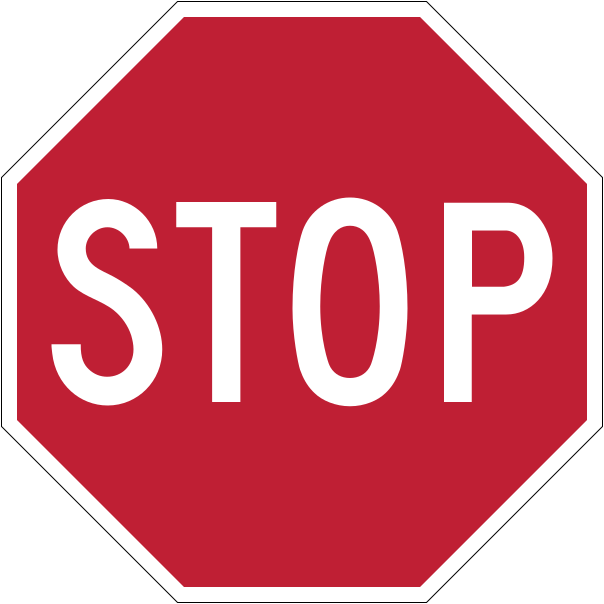
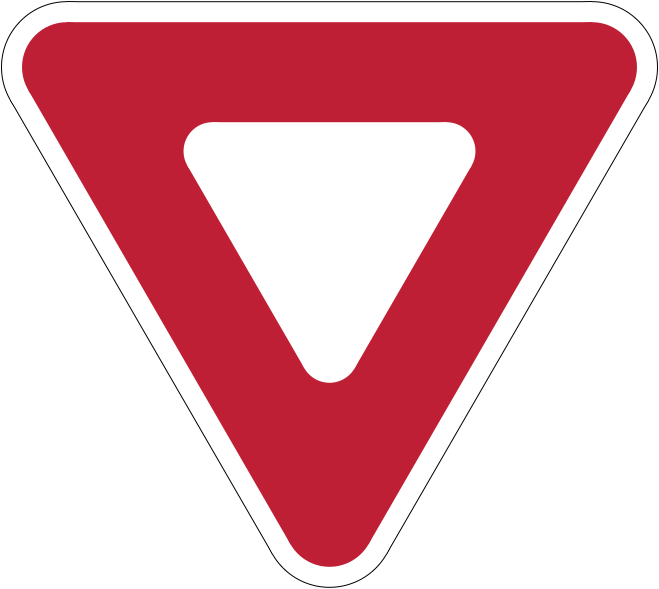
- The stop sign is eight-sided, red with white letters, and it requires a complete stop. The yield sign is a downward-pointing triangle, white with a red border, and it requires you to give way to traffic already in or approaching the intersection.
- Warning signs alert you to something hazardous or out of the ordinary coming up, a curve, a turn, a dip or a sideroad for example. They are usually diamond-shaped with a yellow background and black letters or symbols.
- School zone signs are five-sided, fluorescent yellow-green with black symbols. One ahead means a school zone is coming: reduce speed, take extra care and expect children.
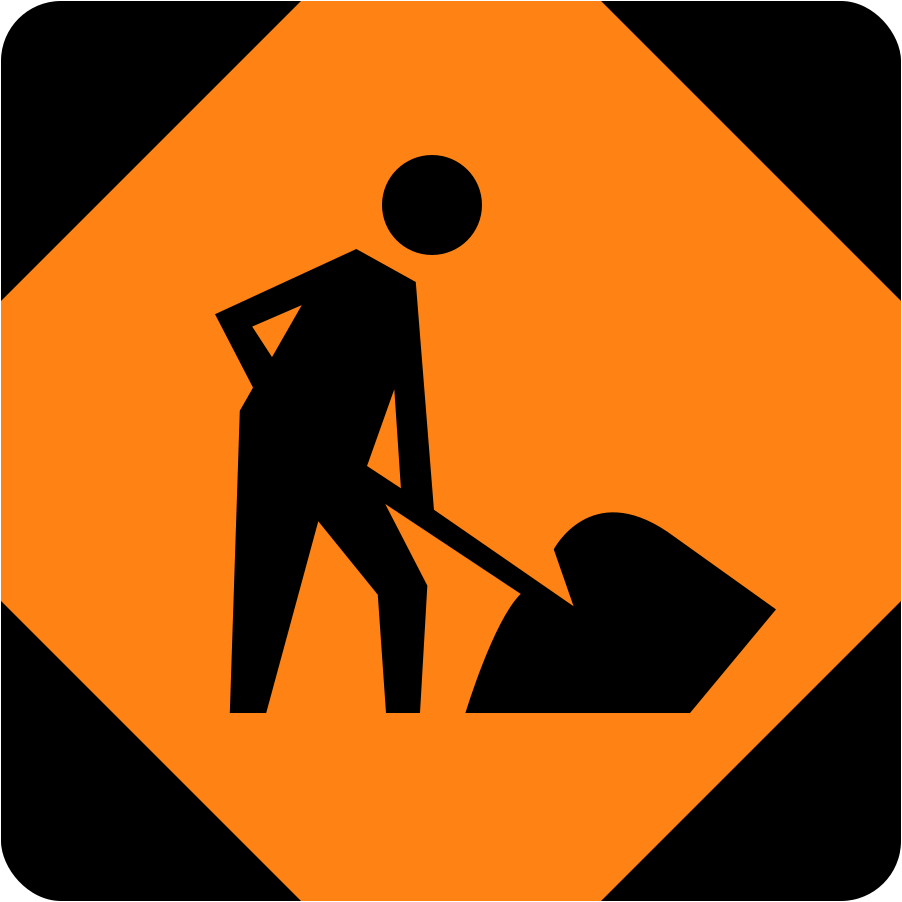
- Temporary condition signs cover things that will not be there for long: road work zones, diversions, detours, closed lanes and traffic control people on the road. Orange is their colour, usually on a diamond, with black letters or symbols.
- Information and direction signs tell you about distances and destinations. They are usually rectangular with a green background and white letters, and signs in other colours guide you to facilities, services and attractions.
- The railway crossing sign is a white X outlined in red. It marks the point where tracks cross the road: slow down, check both directions for trains and be ready to stop.
Signs in this section
Official source: MTO Driver’s Handbook – Signs ↗
2.Regulatory signs
- Regulatory signs give a direction that must be obeyed. A conviction for failing to obey signs adds 2 demerit points; ignoring a stop sign, a traffic light or a railway crossing signal adds 3.
- Stop: halt completely at the stop line where one is painted on the road. Where there is none, halt at the crosswalk; failing that, at the edge of the sidewalk; and failing that, at the edge of the intersection. Do not move into the intersection until it is clear.
- Yield: give way to traffic already in the intersection or approaching it, stopping if you have to, and proceed only once the way is clear.
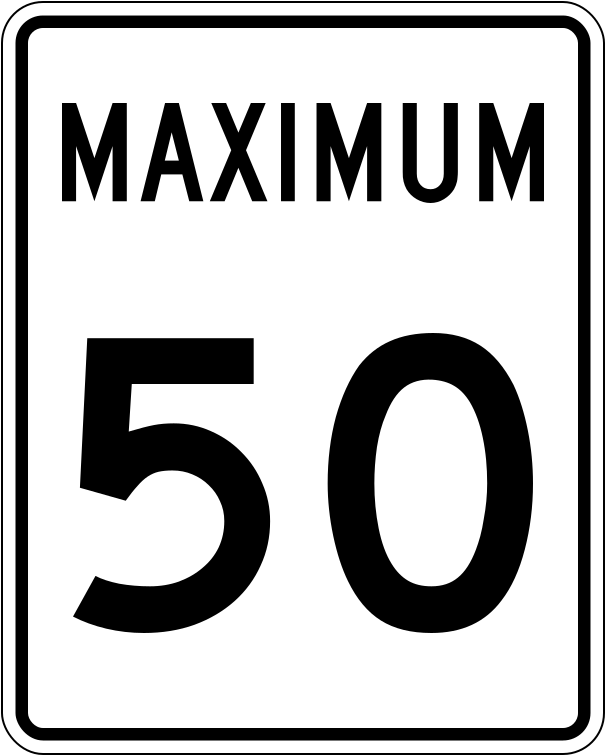
- With no speed limit posted, the most you may drive is 50 km/h inside a city, town or village and 80 km/h anywhere else. A school zone has a lower limit during school hours, and the limit on the sign applies while its yellow lights flash.
- Prohibition signs tell you what is not allowed: entering this road; a left turn at the intersection; driving straight through the intersection; turning around to head the opposite way (a U-turn); a right turn on a red light at the intersection; and a left turn during the hours shown.
- "Do not stop" means you may not stop your vehicle in that area, even for a moment. "Do not stand" means you may not stop except while loading or unloading passengers. "Do not park" means you may not stop except to load or unload passengers or merchandise. A parking sign shows where you may park during the times posted.
- A one-way sign means traffic may travel in one direction only. "Keep to the right of the traffic island" tells you which side to pass. Lane-use signs, mounted overhead or painted on the road ahead of an intersection, show which way each lane is required to go.
- A sign above the road or on the ground can mark a lane that is only for two-way left turns. Other reserved-lane signs set a lane aside, around the clock or at certain hours, for particular vehicles: buses, taxis, bicycles, or vehicles with three or more people in them.
- An HOV lane is for public vehicles like buses and for passenger vehicles with at least the posted number of people on board. On provincial highways that means vehicles with two or more occupants, plus buses, licensed taxis, green-plate vehicles, airport limousines, motorcycles, holders of a High-Occupancy Toll permit and emergency vehicles, and the lanes operate 24 hours a day, seven days a week. A striped buffer zone sets the lane apart from the general lanes, and driving across those stripes is illegal.
- A bicycle route sign marks an official cycling route, so expect cyclists and be ready to share the road. Other regulatory signs ban bicycles from a road, ban pedestrians from a road, forbid passing on a road, and tell slow traffic on a multi-lane road to keep right.
- At a pedestrian crossover, be prepared to stop and yield the right-of-way to pedestrians. You may go on only once the pedestrians and any school crossing guard are safely on the sidewalk, and passing another vehicle within 30 metres of a crossover is prohibited. A community safety zone marks a stretch the community considers especially risky for pedestrians, and traffic offences committed inside it draw higher fines.
Signs in this section
 Stop
 Yield
 Maximum speed limit
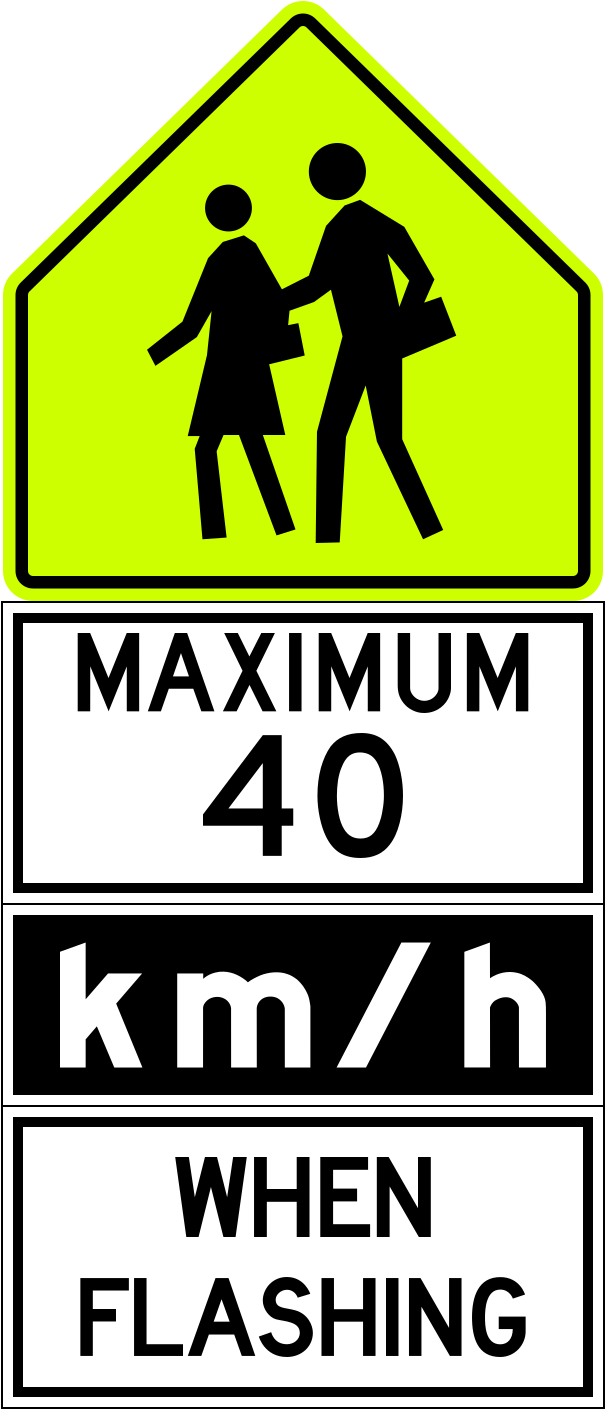 School zone speed limit (when flashing)
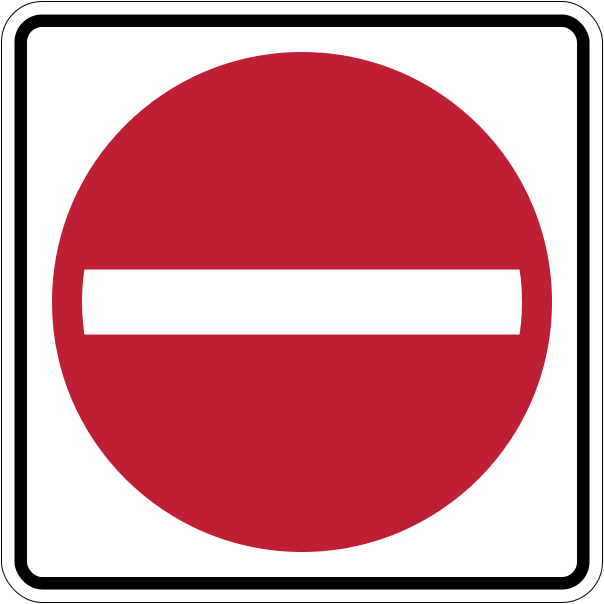 Do not enter
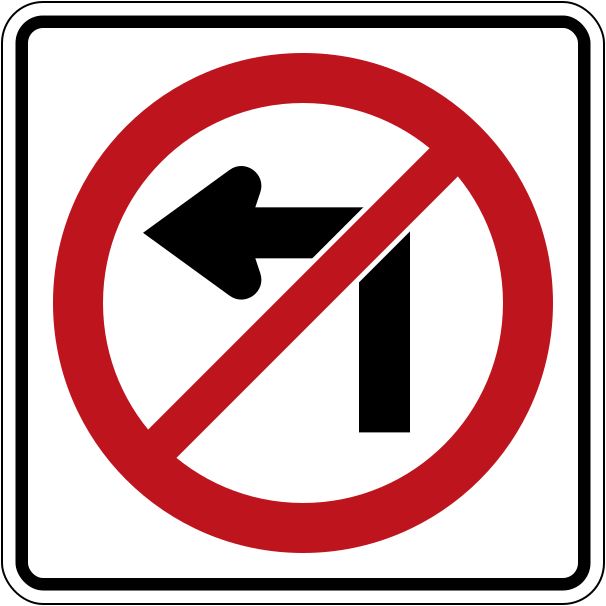 No left turn
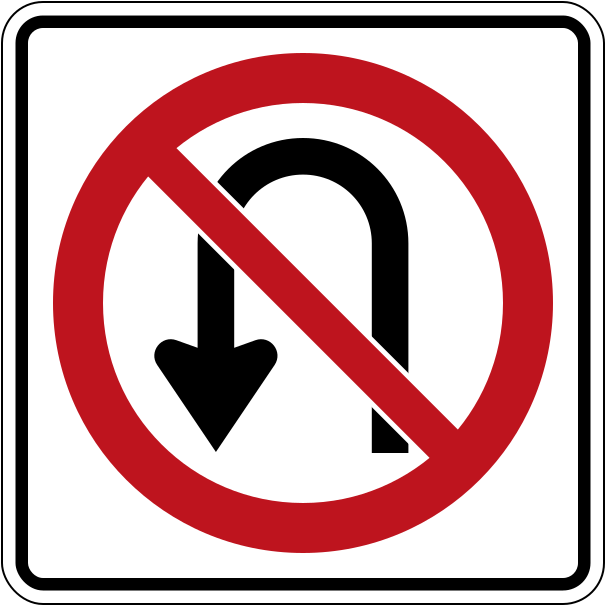 No U-turn
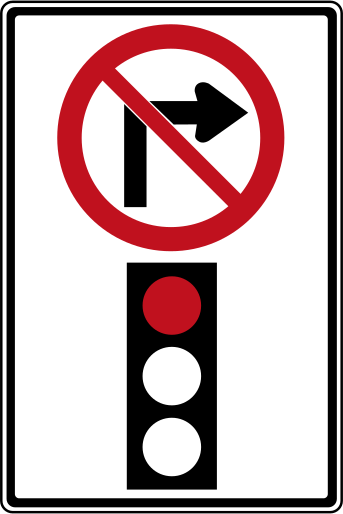 No right turn on red
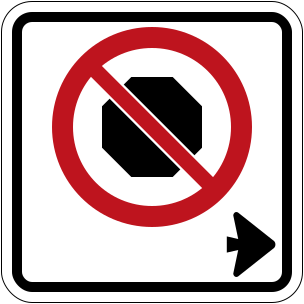 No stopping
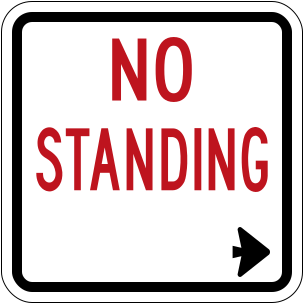 No standing
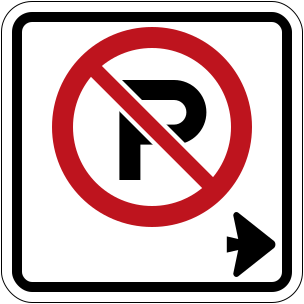 No parking
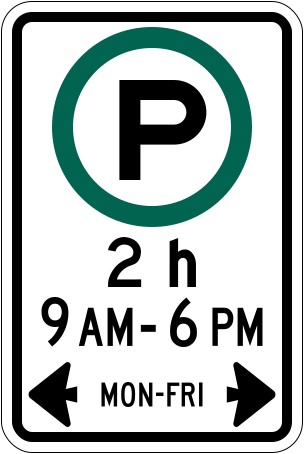 Parking permitted
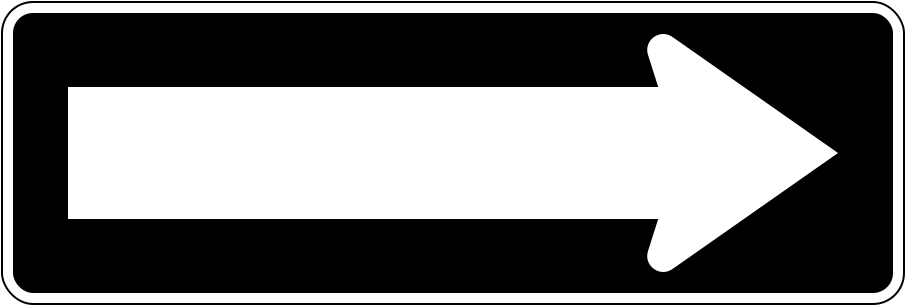 One way
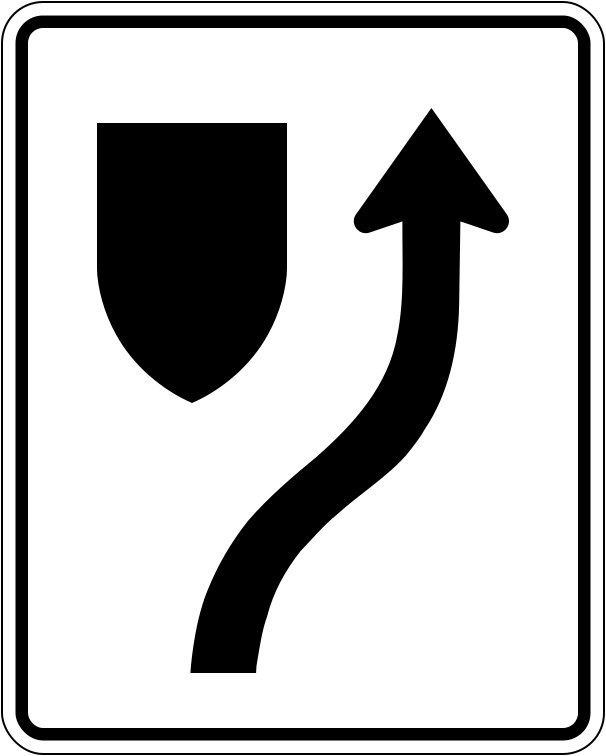 Keep right of divider
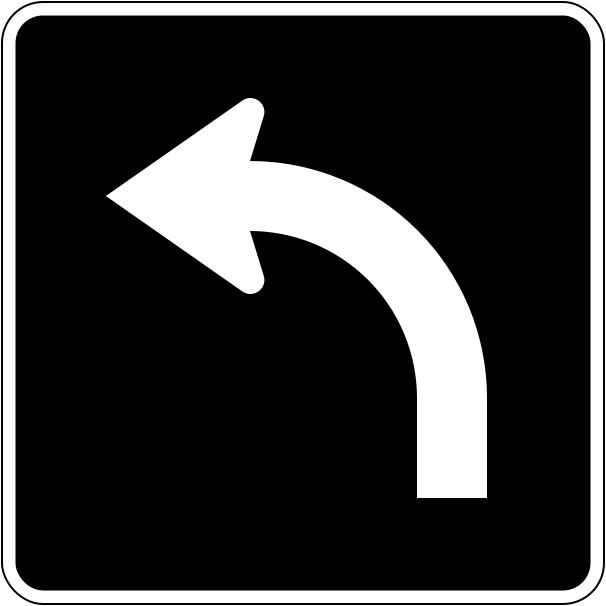 Left turn only lane
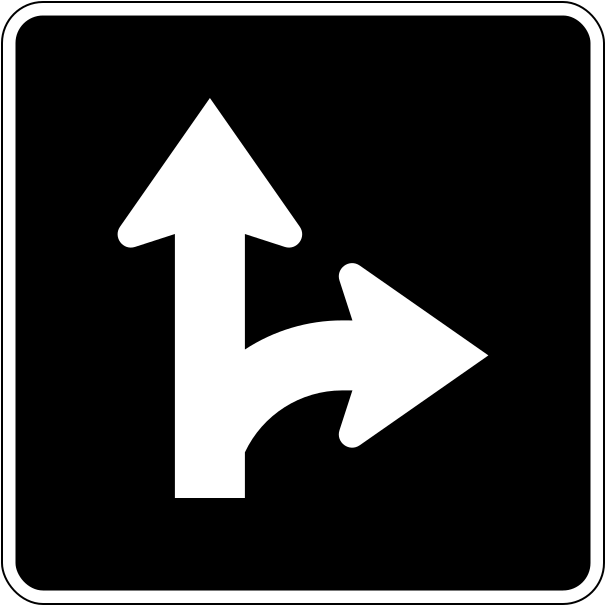 Straight or right turn lane
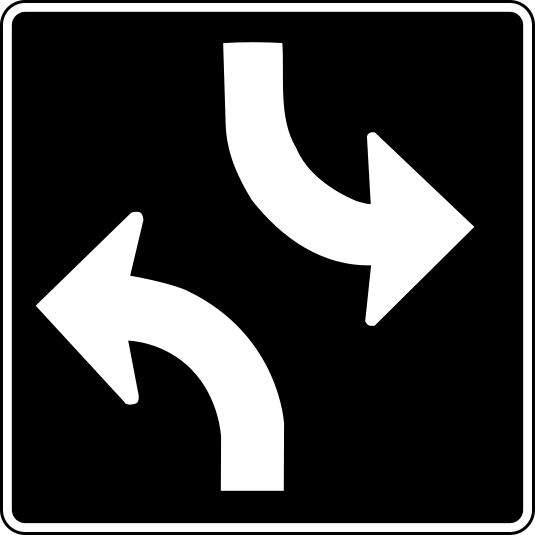 Two-way left turn lane
- HOV lane (reserved lane)
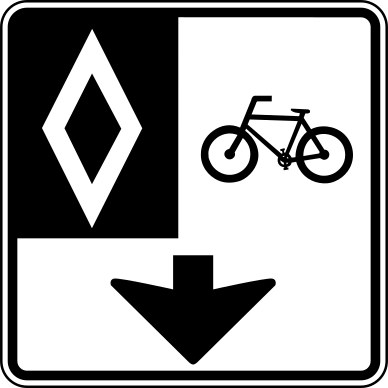 Reserved bicycle lane
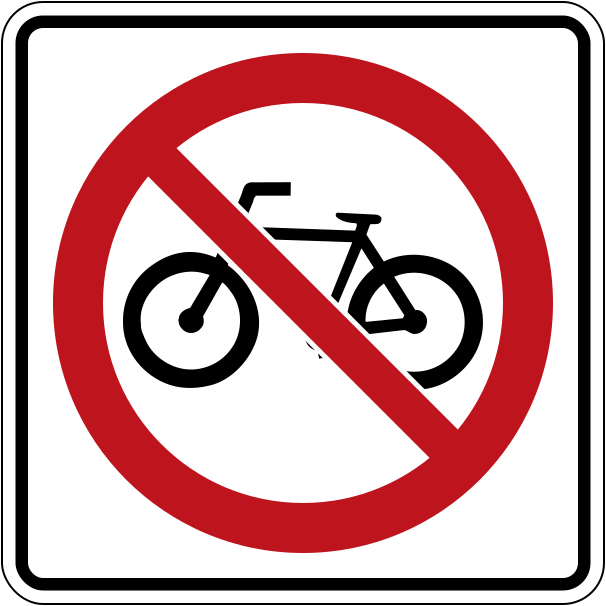 No bicycles
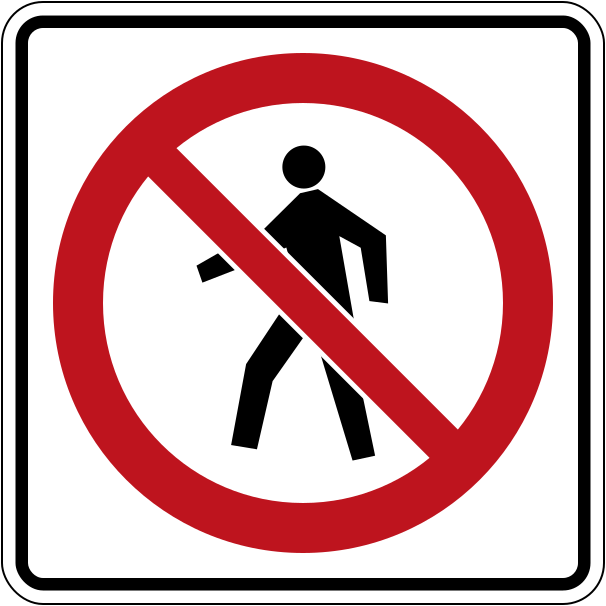 No pedestrians
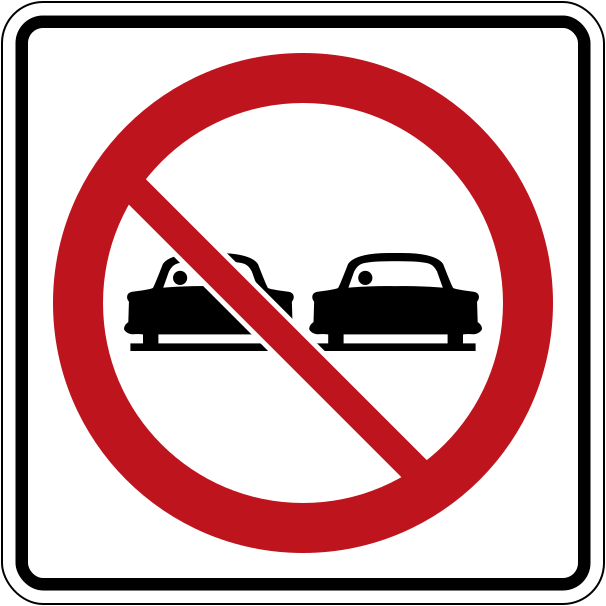 Do not pass
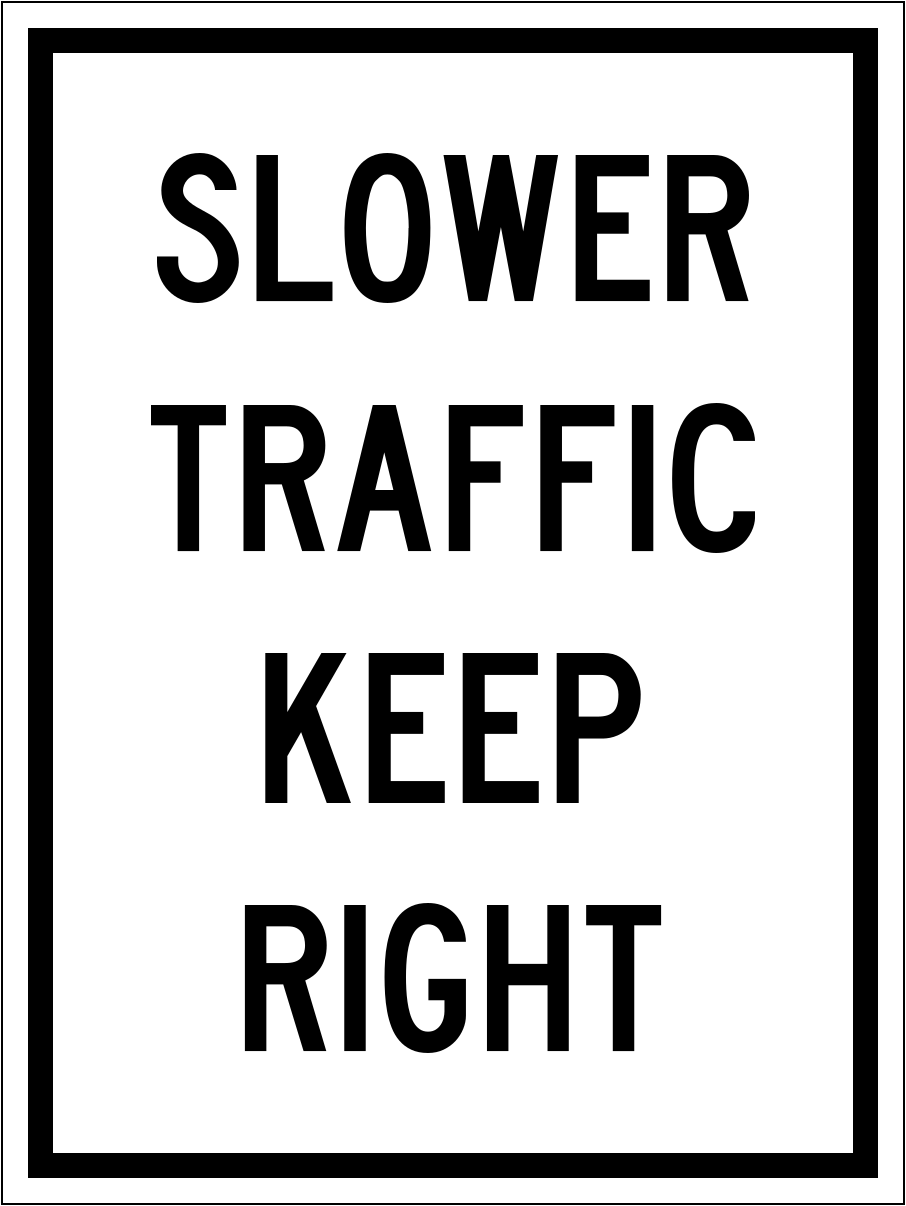 Slower traffic keep right
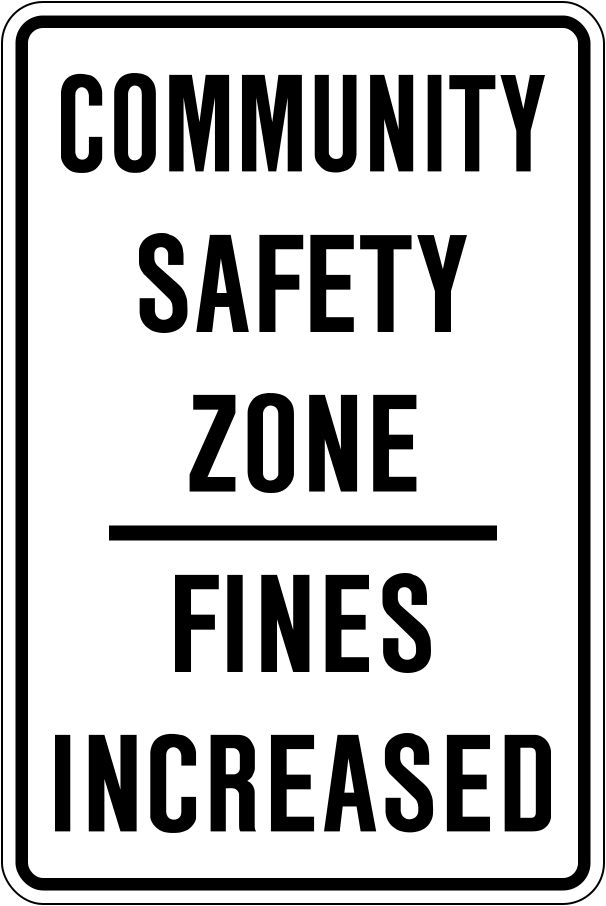 Community safety zone
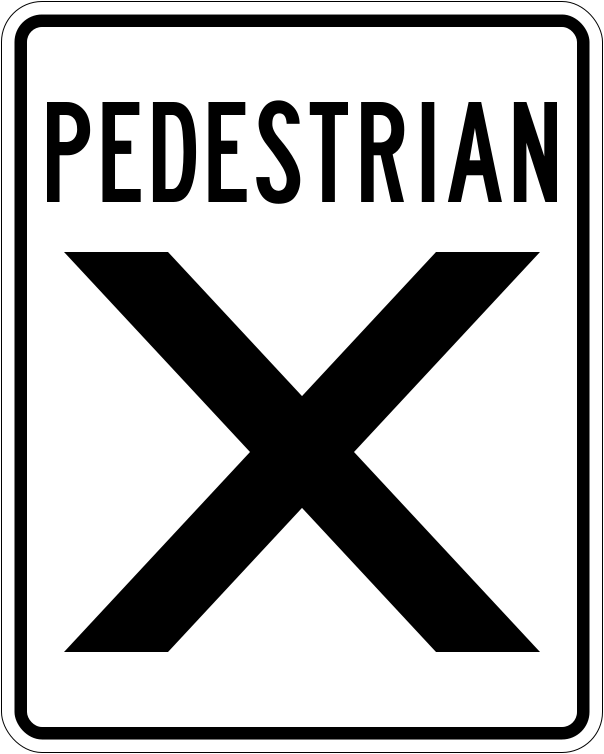 Pedestrian crossover
Official source: MTO Driver’s Handbook – Signs ↗ · MTO Driver’s Handbook – Keeping your drivers licence ↗ · MTO Driver’s Handbook – Driving along ↗ · MTO Driver’s Handbook – Freeway driving ↗ · MTO Driver’s Handbook – Stopping ↗
3.Warning signs
- A warning sign tells you that a hazard or an unusual situation lies ahead: a bend, a sharp turn, a dip in the road, a sideroad joining. Most are yellow diamonds carrying black symbols or letters.
- Curve signs warn of a slight bend or curve, a sharp bend or turn, or a winding road ahead. A speed sign posted under a curve warning shows the maximum safe speed for the curve, while a row of chevron (arrowhead) signs steers you around a sharp curve.
- Intersection warnings: an "intersection ahead" sign uses an arrow to show which direction of traffic has the right-of-way; other signs warn that a road branches off ahead, that drivers on the sideroad ahead do not have a clear view of traffic, that there are traffic lights ahead or a stop sign ahead. Slow down for both.
- The merge sign means that two roads heading the same way are about to become one; the drivers on each road share the responsibility for blending the traffic smoothly and safely. "Right lane ends ahead" tells drivers in the right-hand lane that they need to merge safely into the lane on their left.
- "Divided highway begins" means traffic travels in both directions on separated roads ahead, each road carrying one-way traffic; keep to the right-hand road. "Divided highway ends" means traffic travels in both directions on the same road ahead; again, keep to the right-hand road.
- Other warnings call for less speed: pavement is slippery when wet, a bump or uneven pavement ahead, a narrow bridge ahead, pavement narrows ahead, and the paved surface ends ahead. On a steep hill ahead you may need to use a lower gear, and an underpass sign shows how much room a tall vehicle has.
- A school crossing sign marks a place where children cross: look out for them and do as the crossing guard or school safety patroller directs. A pedestrian warning sign means pedestrians are likely, so expect to share the road with them.
- A "railway crossing ahead" sign tells you to be alert for trains and also shows the angle at which the tracks cross the road; the X-shaped sign stands at the crossing itself. When a train is approaching, stop no closer than five metres to the nearest rail or gate, and stay there until you are certain every train has gone by.
- A sign with a checkerboard border warns that the road bends or turns sharply, in the direction the arrow points, and that you should slow down and take care. A hazard marker flags something dangerous right at the road’s edge; the slant of its stripes points to the side you can pass on safely.
- Some warning signs tell you which road users to expect: deer regularly cross this road, a bicycle crossing ahead, and a truck entrance on the right (or left) side of the road ahead. The share the road sign reminds drivers to give cyclists and other vehicles enough room, and a driver passing a cyclist has to leave at least one metre where practical.
- Roundabout ahead: reduce speed. The arrows run counter-clockwise, which is the direction traffic circulates inside. Vehicles already in the roundabout have the right-of-way, so as you approach, watch the traffic coming from your left.
Signs in this section
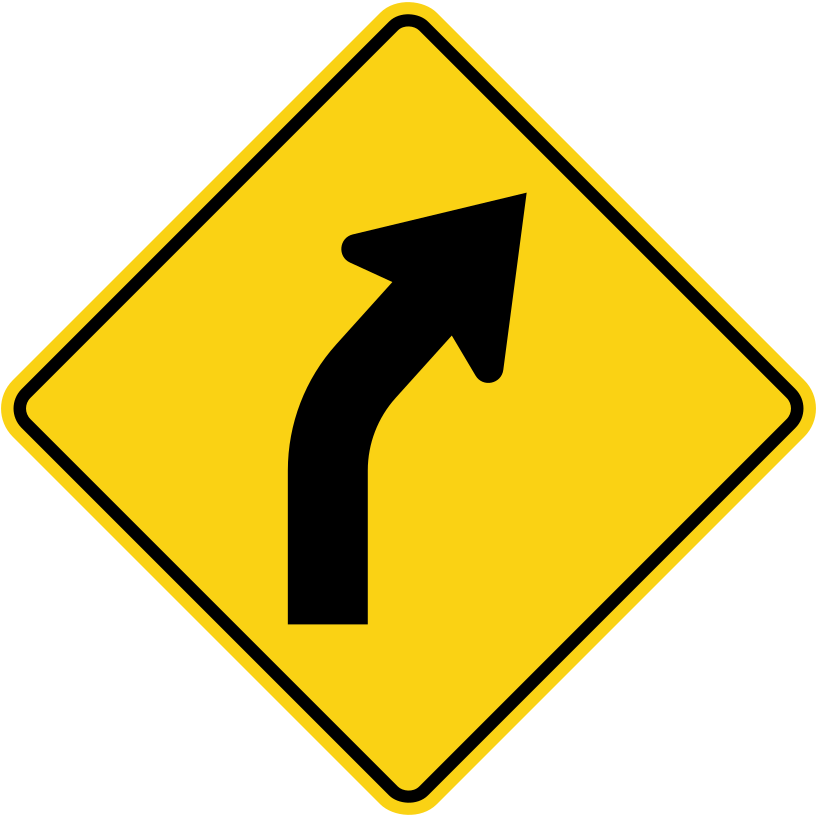 Curve ahead
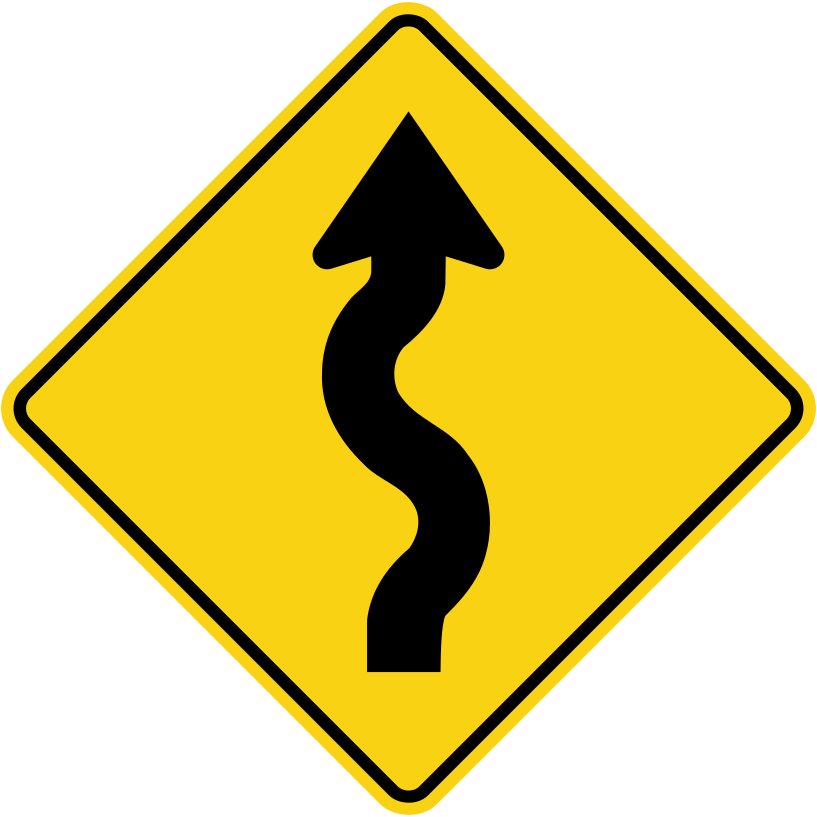 Winding road
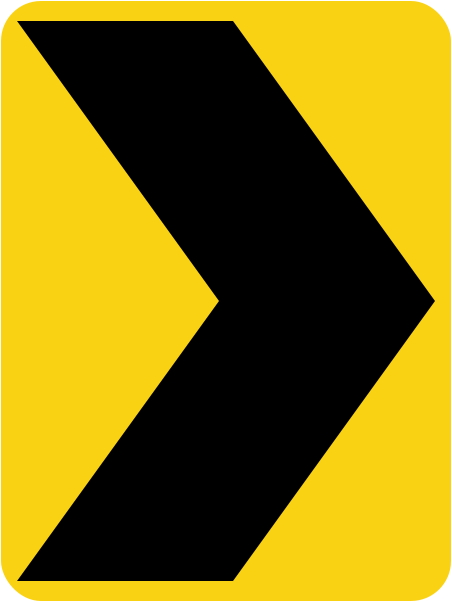 Sharp curve (chevron)
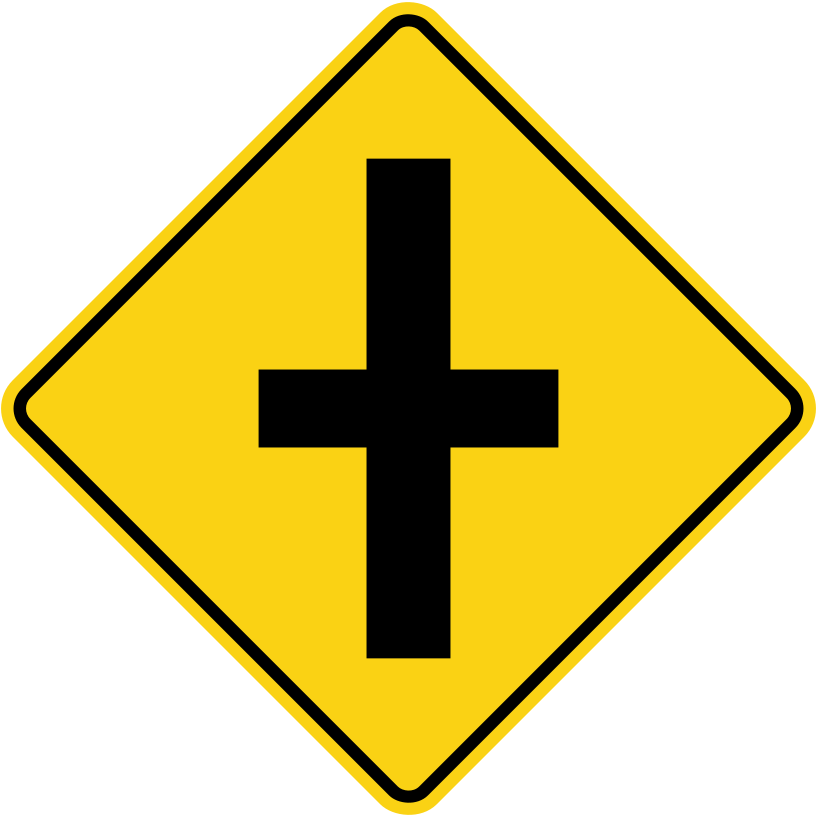 Intersection ahead
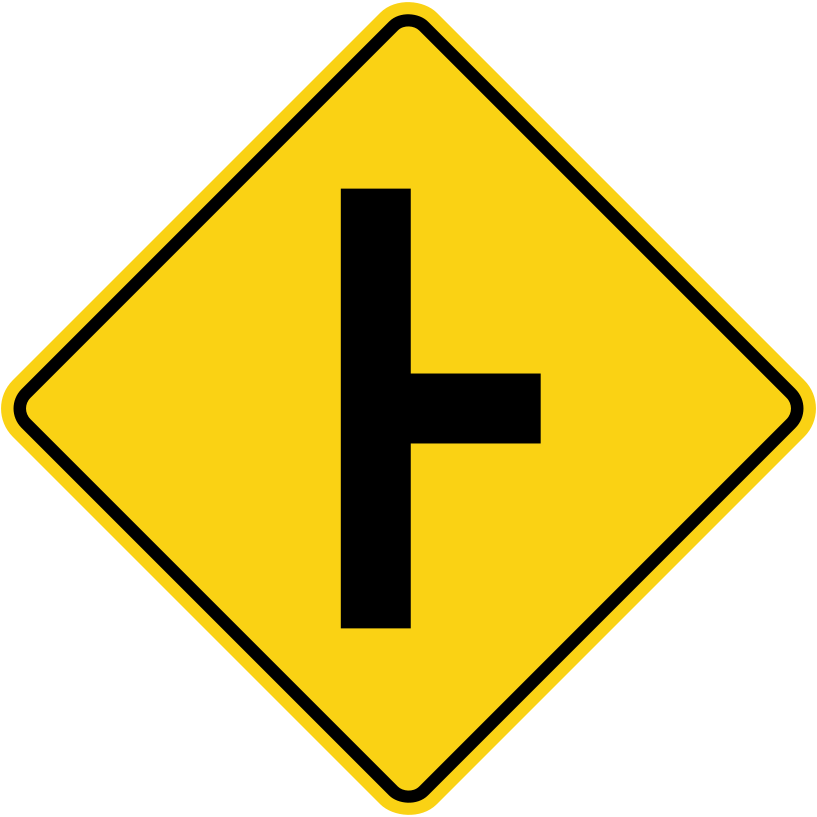 Side road ahead
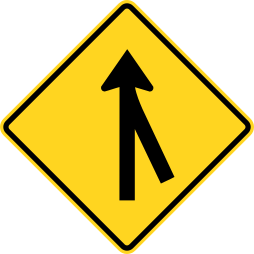 Merging traffic
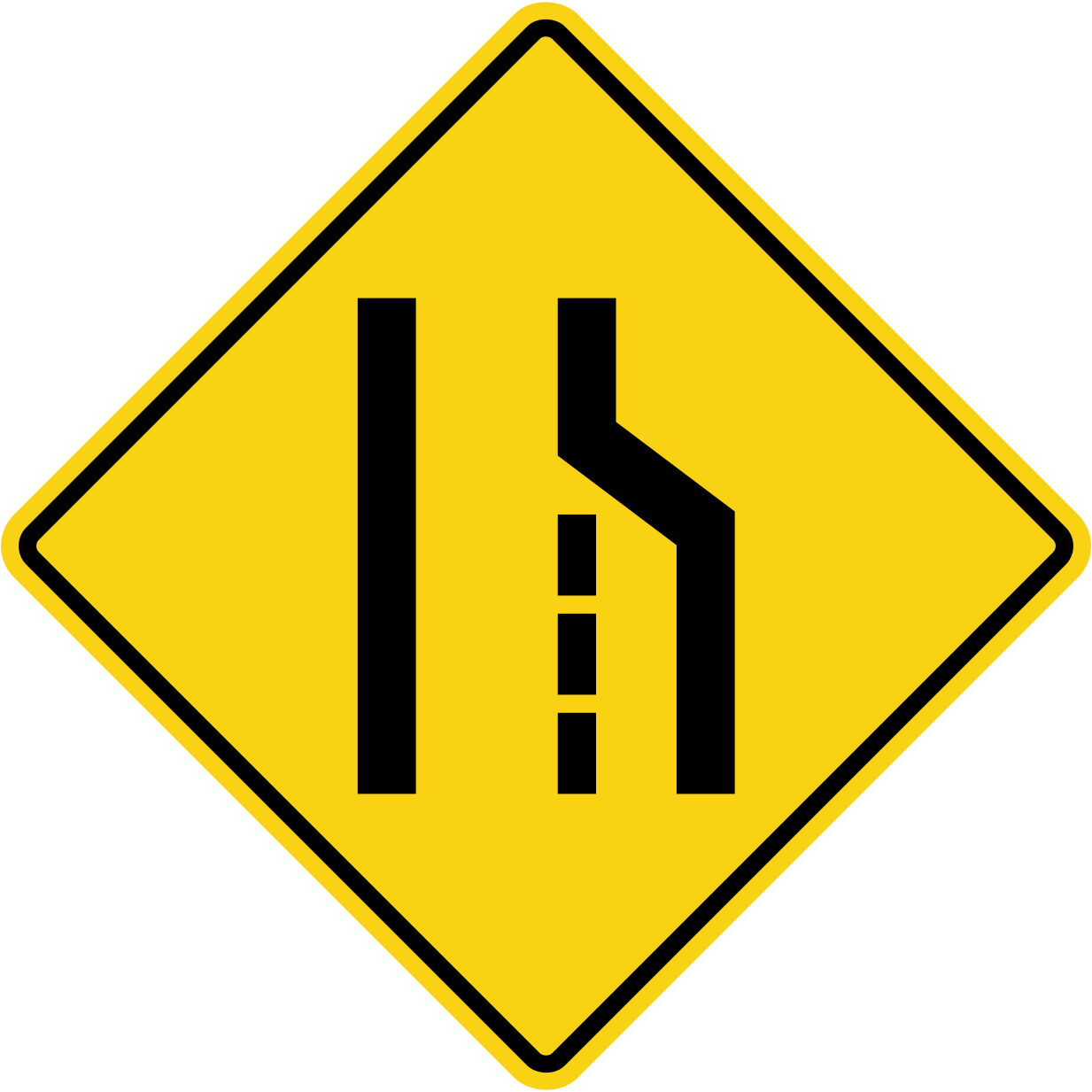 Right lane ends
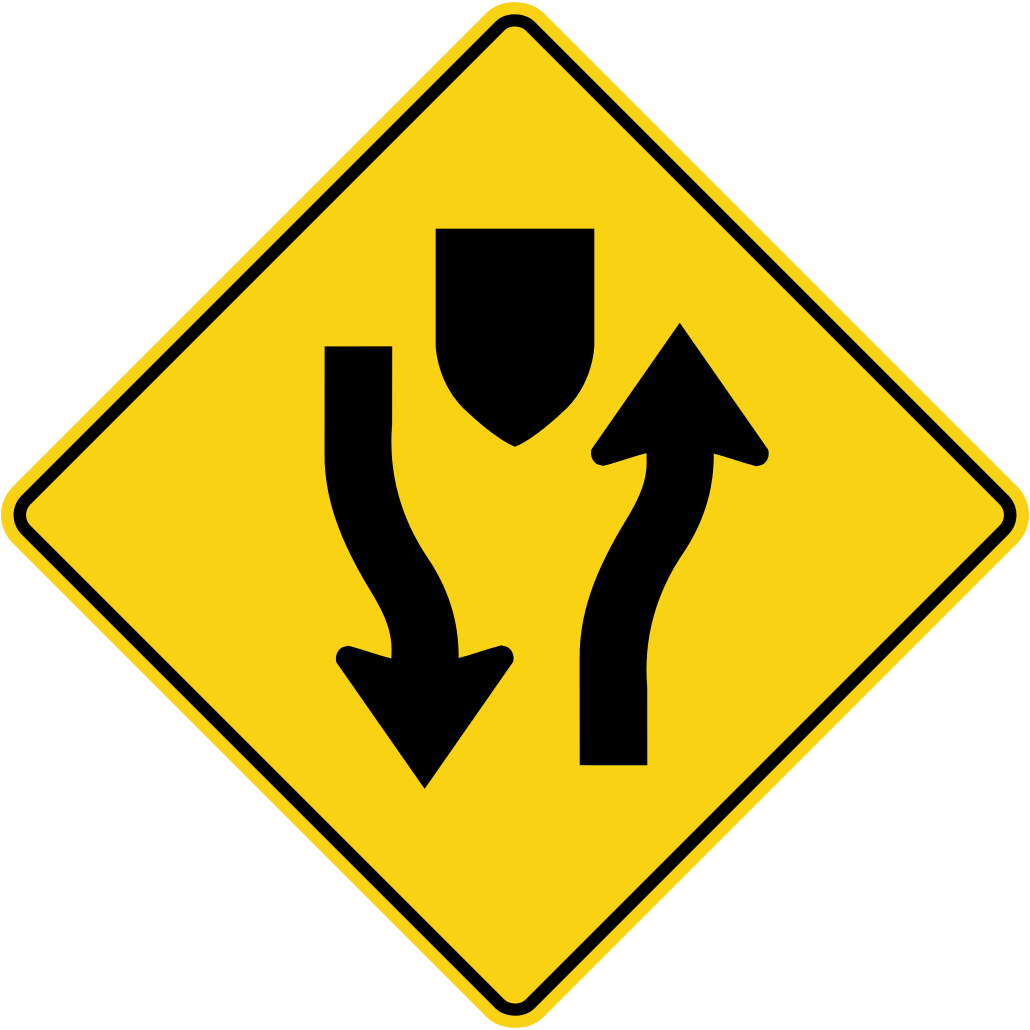 Divided highway begins
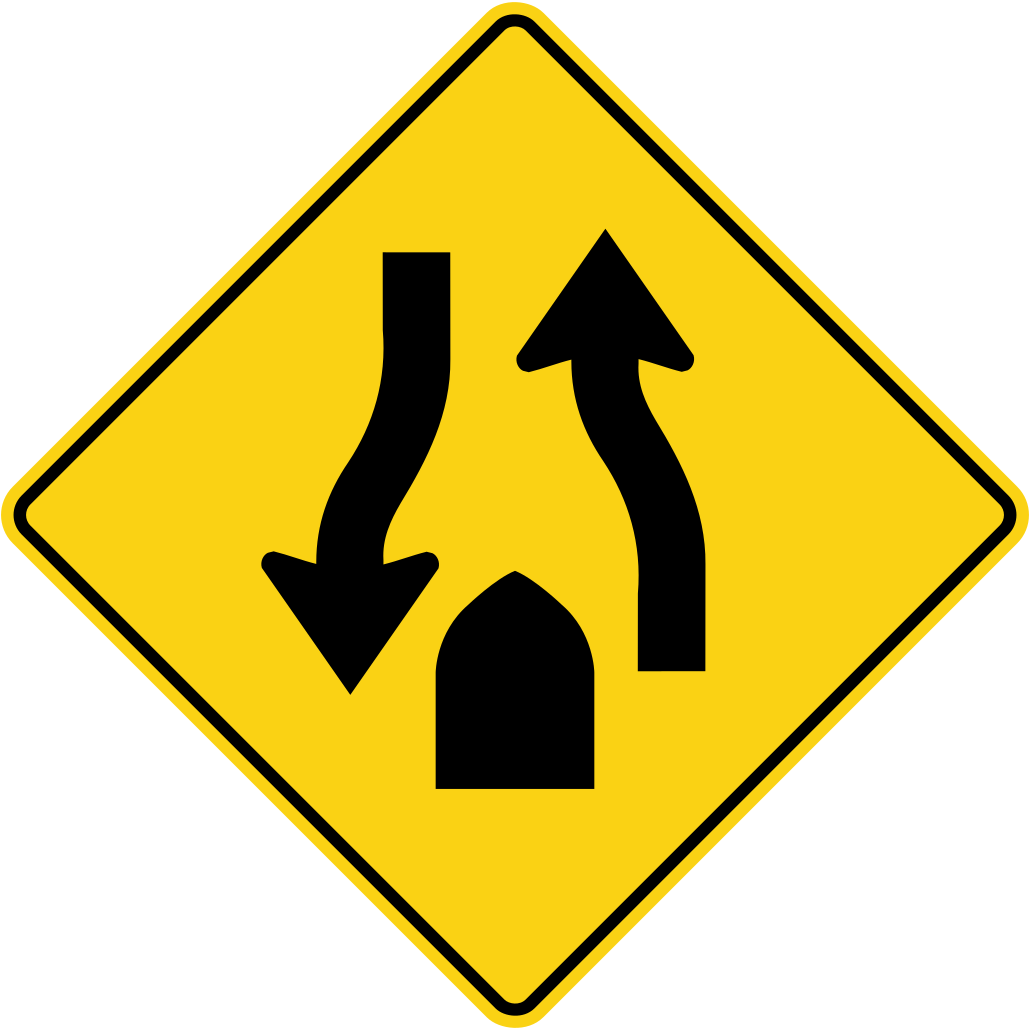 Divided highway ends
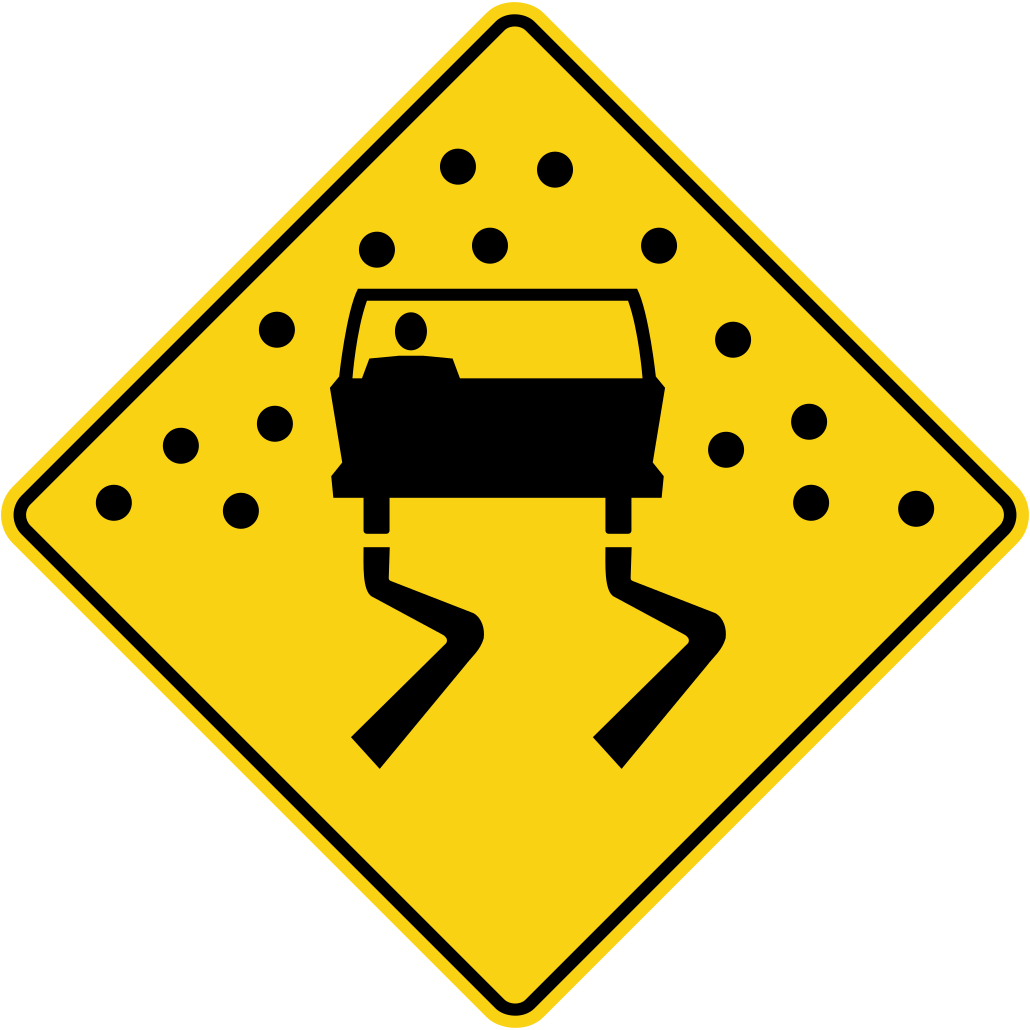 Slippery when wet
 Bump or uneven pavement
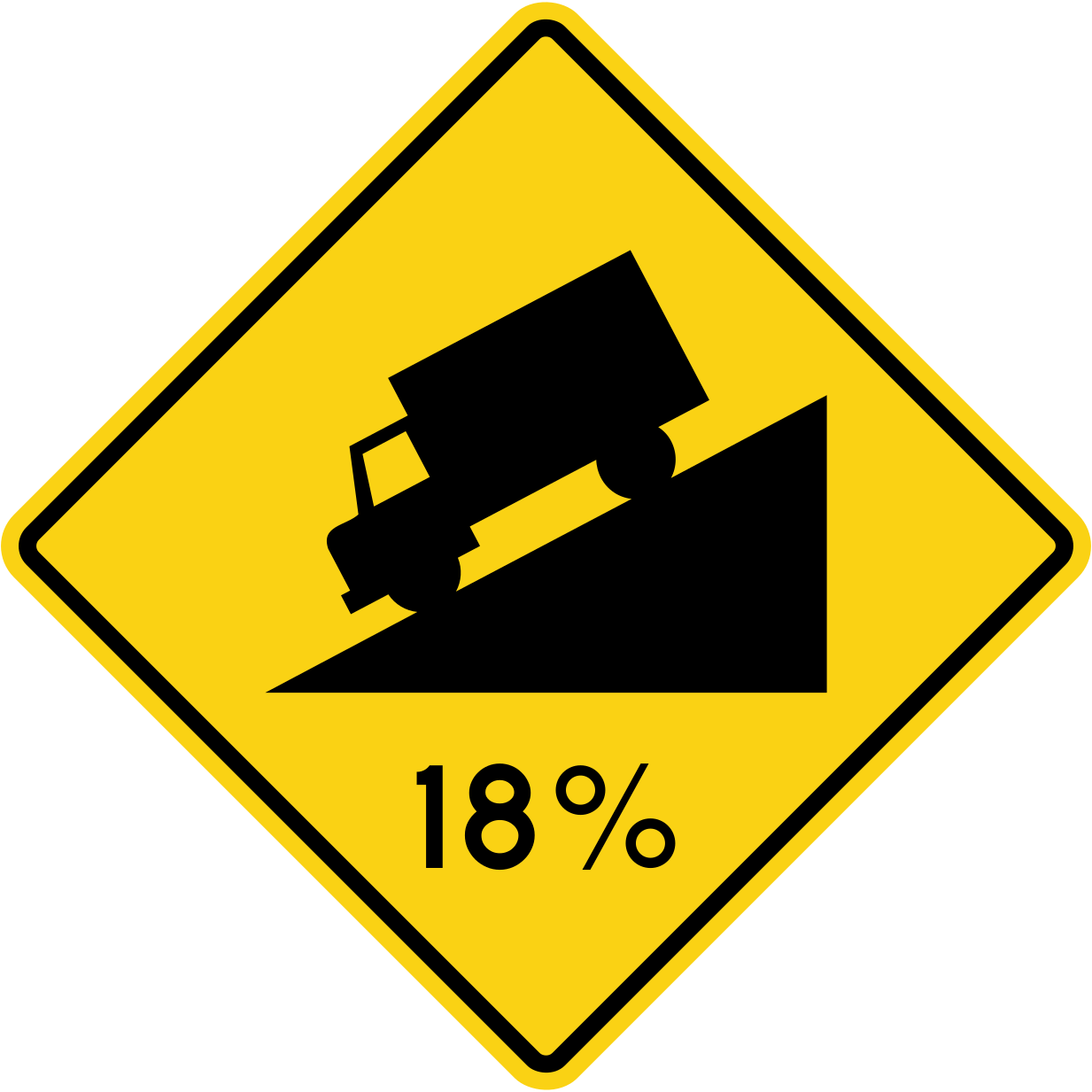 Steep hill
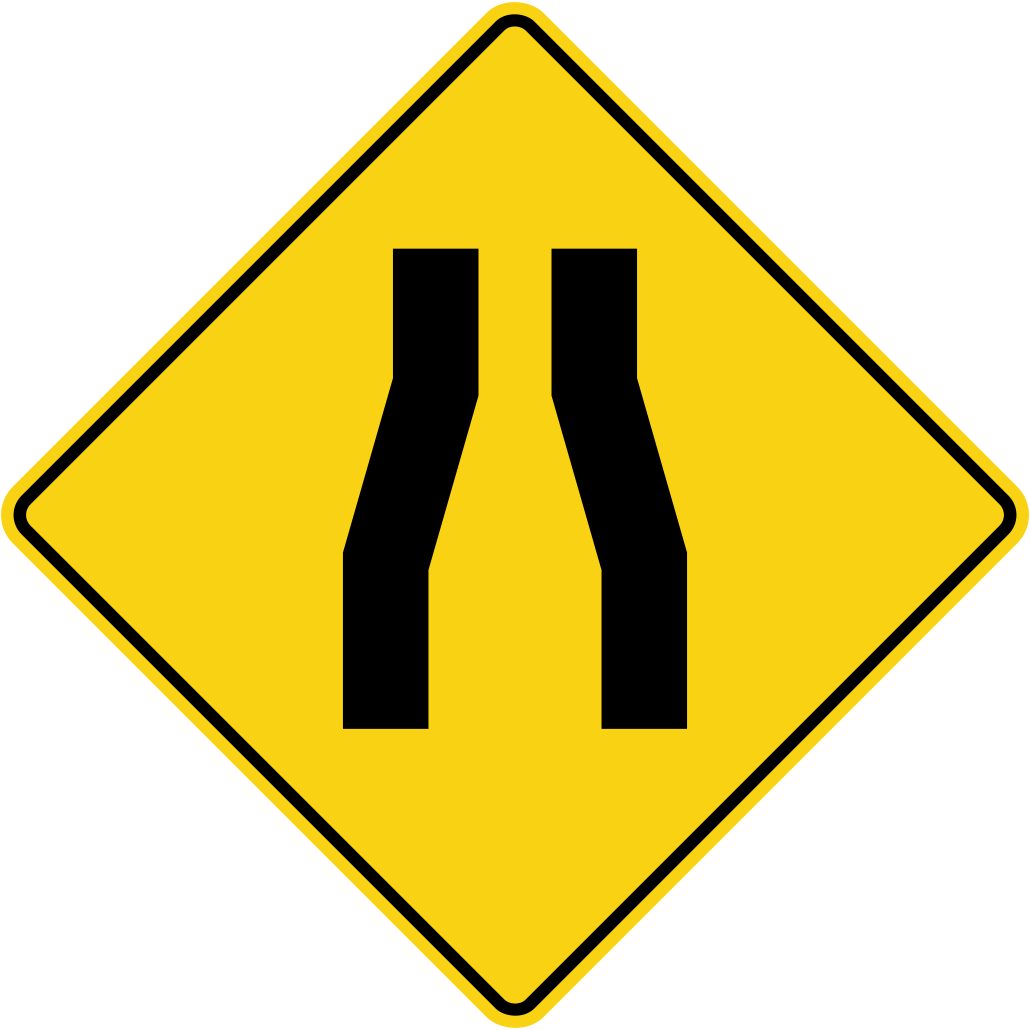 Pavement narrows / narrow bridge
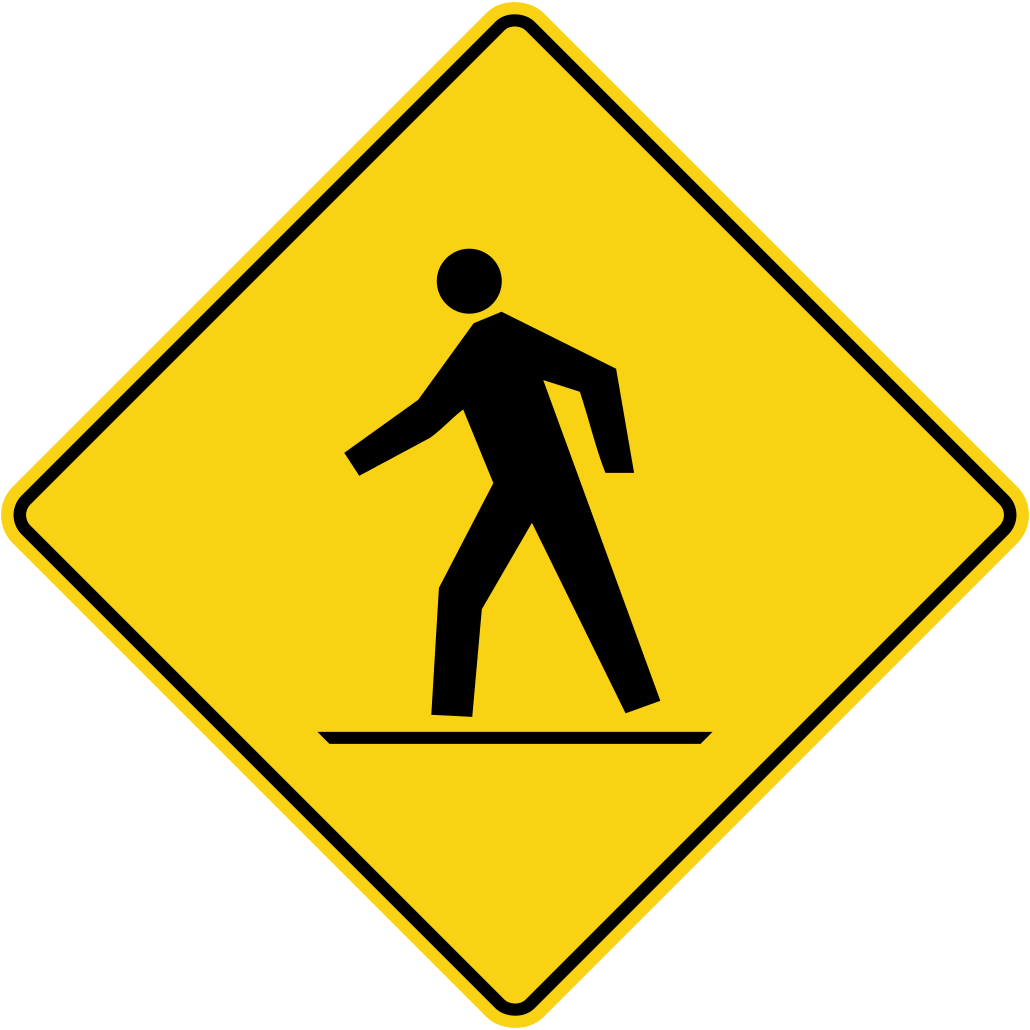 Watch for pedestrians
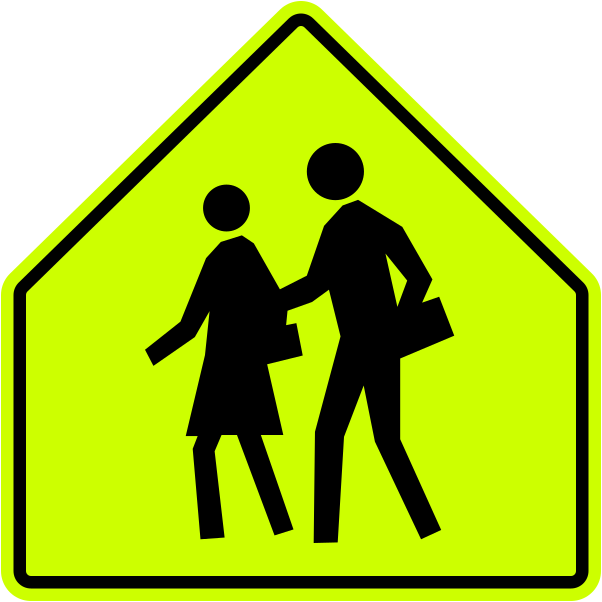 School area
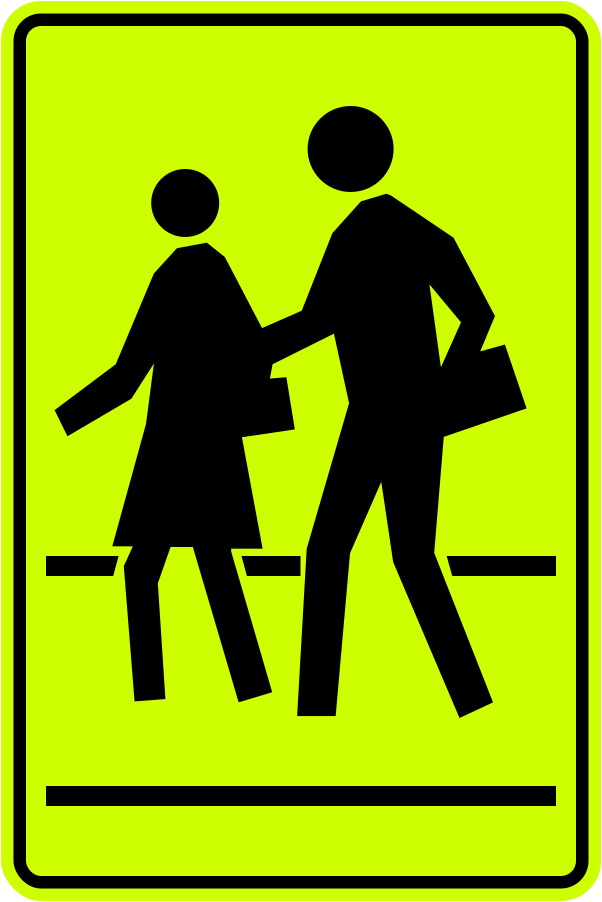 School crossing
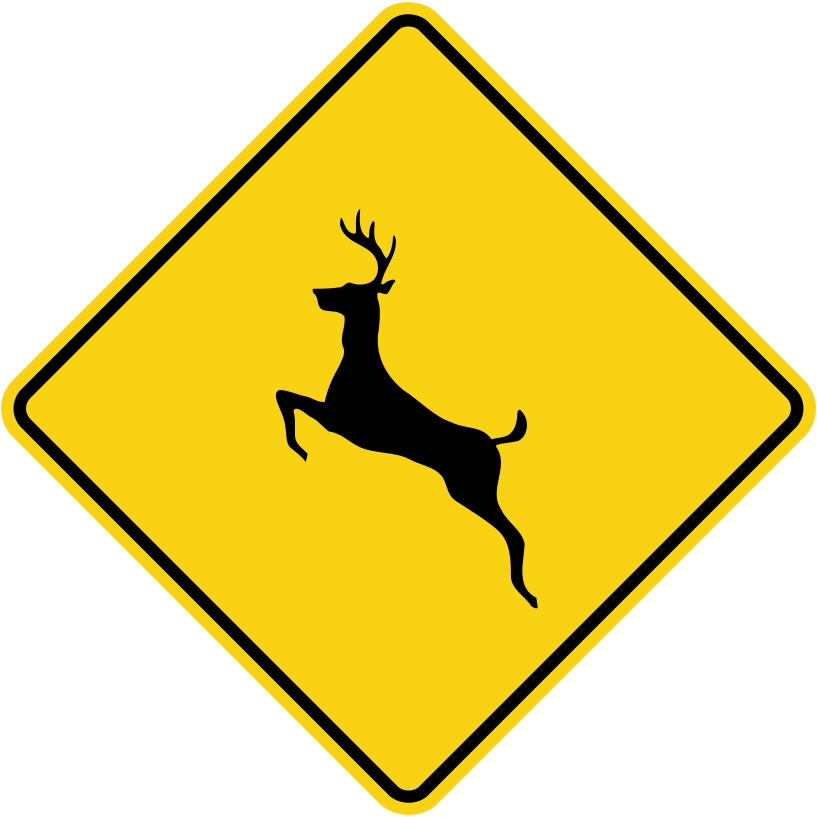 Deer crossing
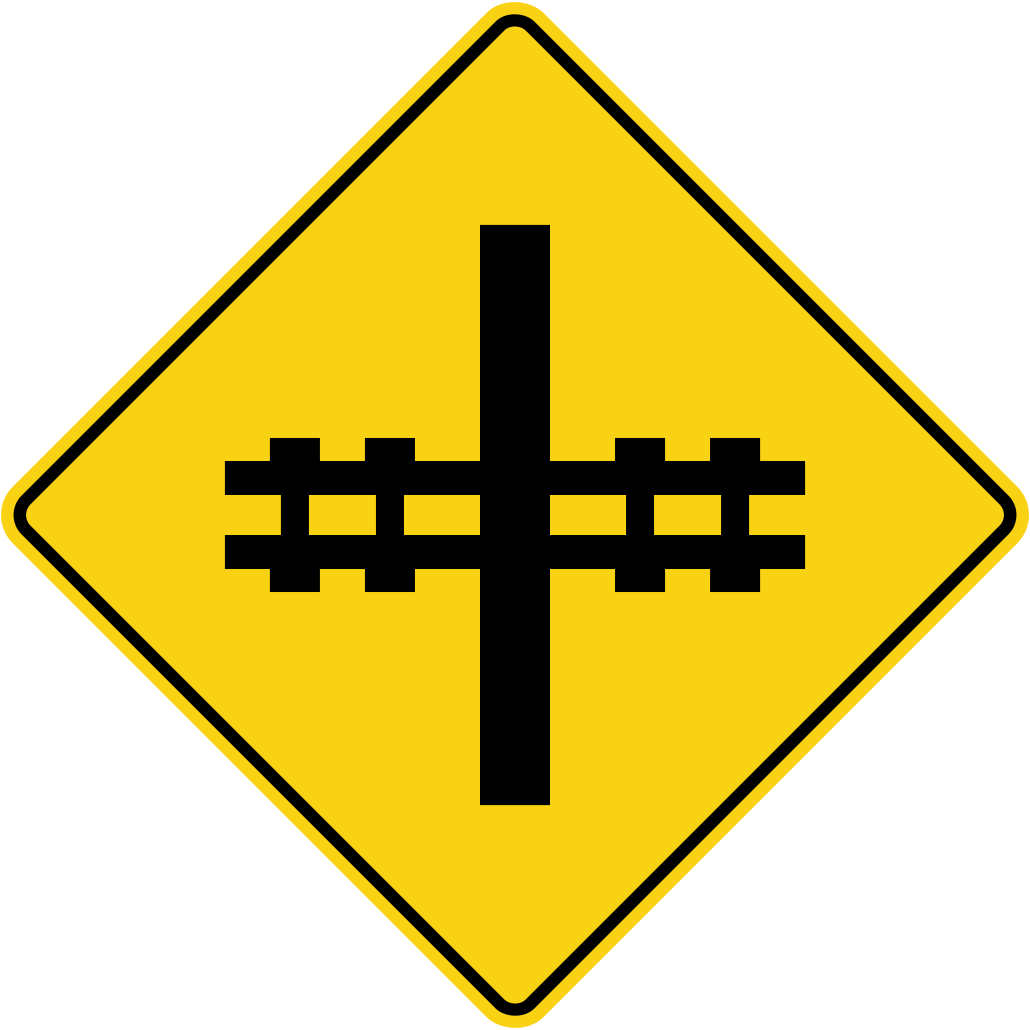 Railway crossing ahead
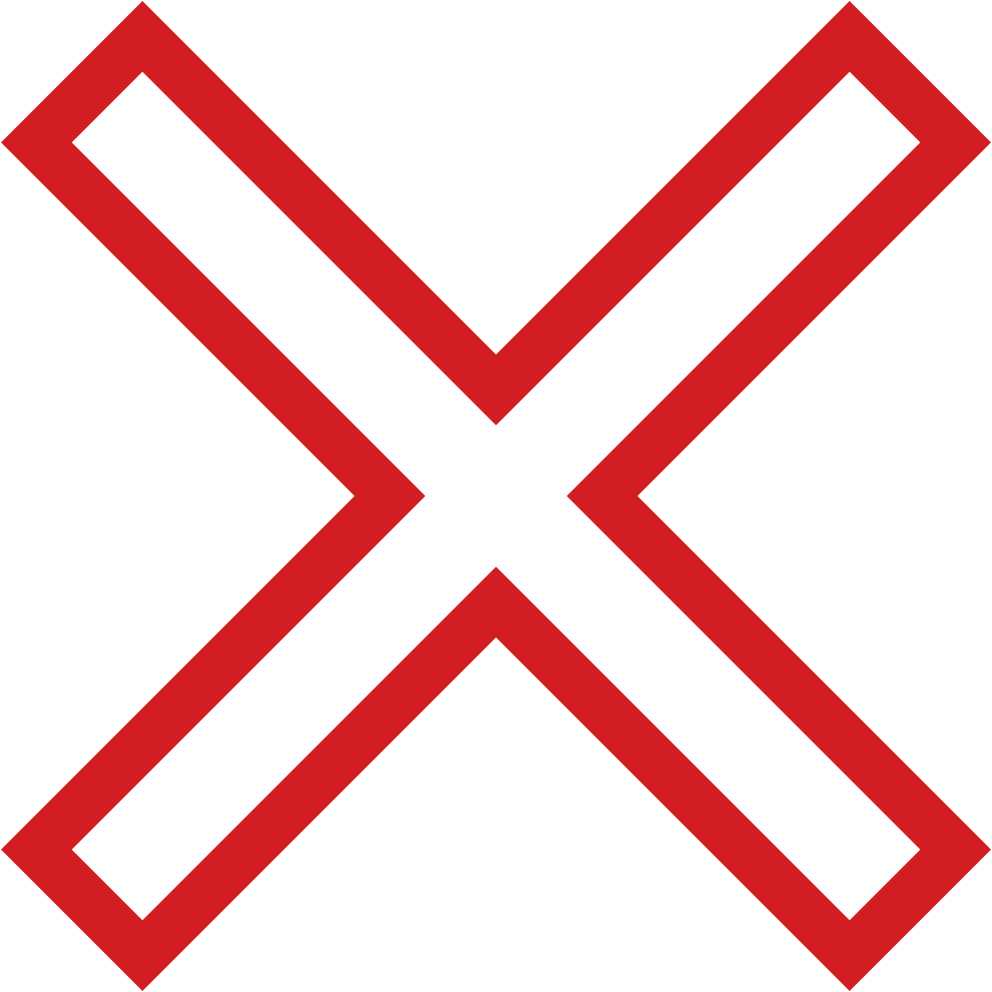 Railway crossing (crossbuck)
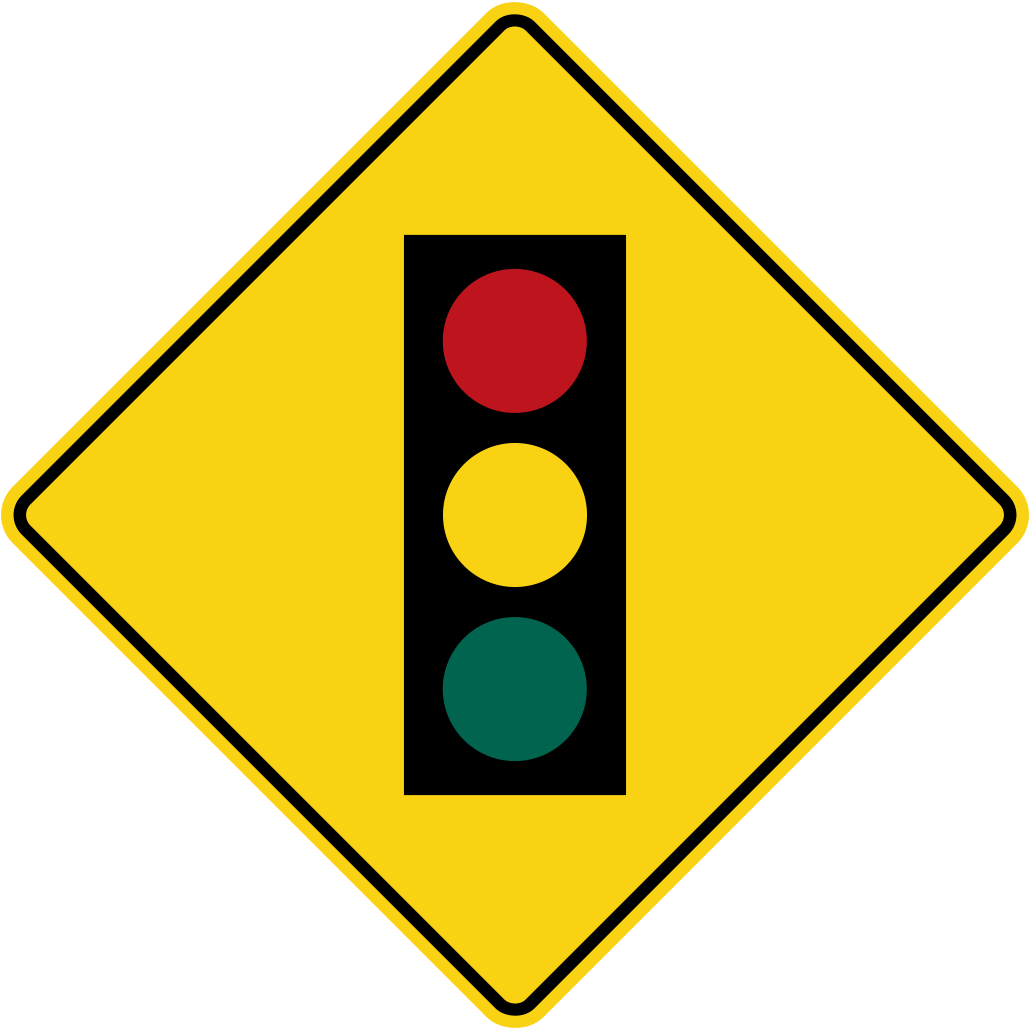 Traffic signals ahead
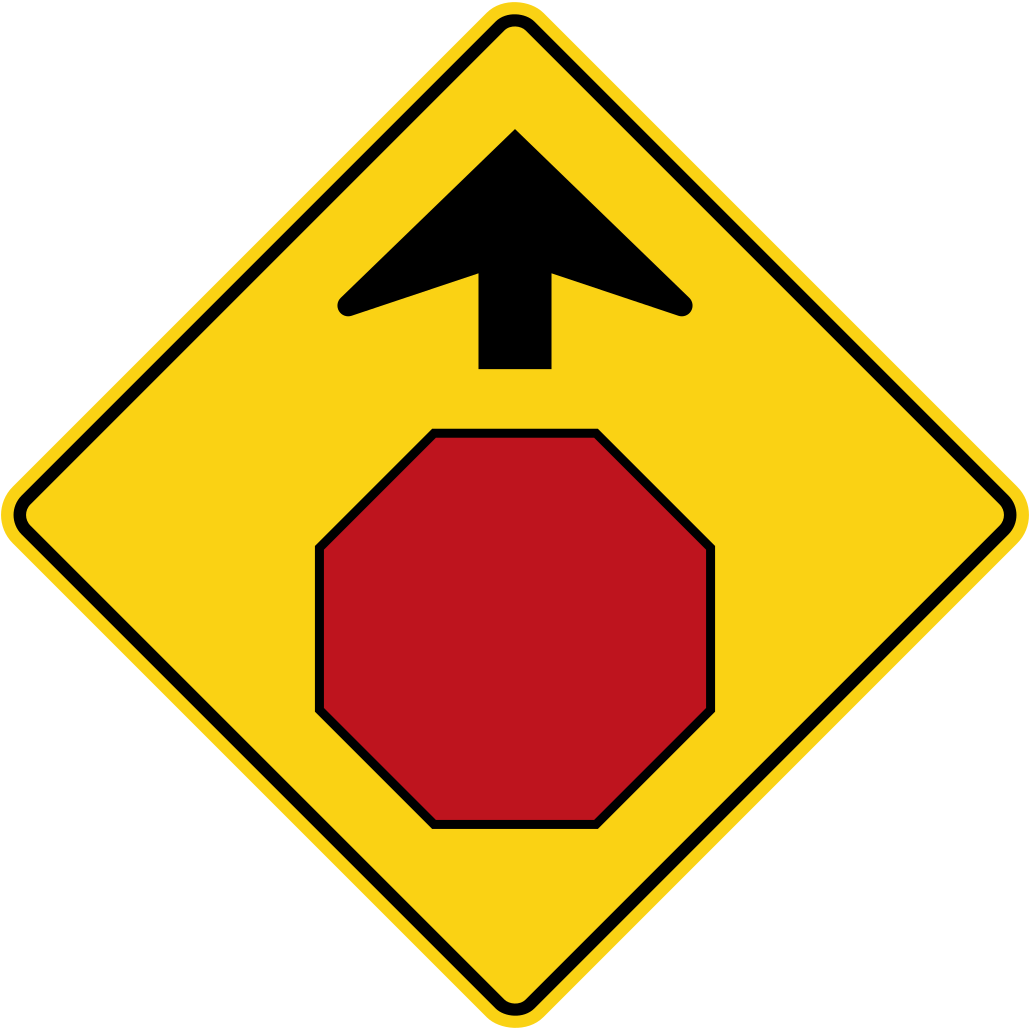 Stop sign ahead
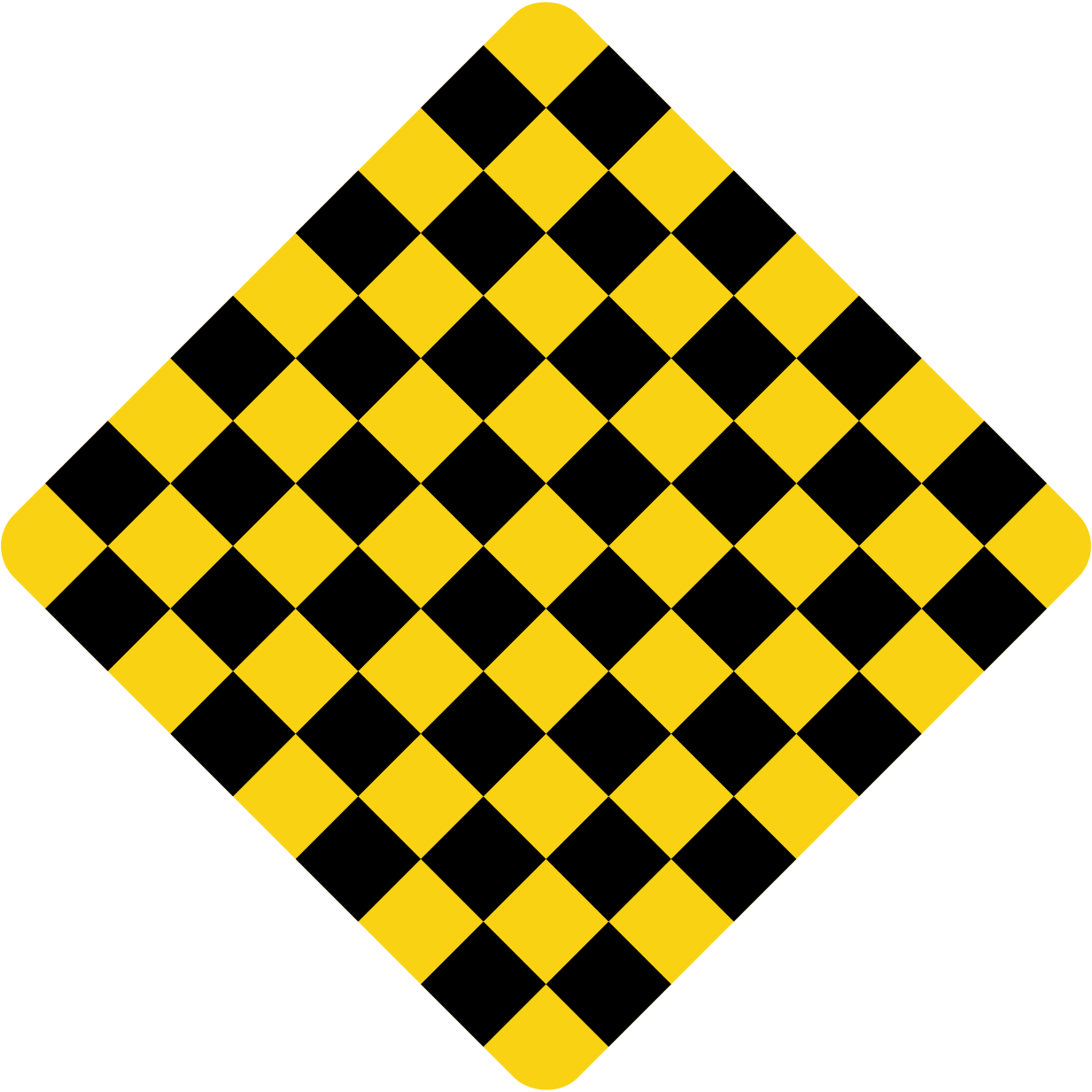 Sharp turn or bend (checkerboard)
 Hazard marker (keep right)
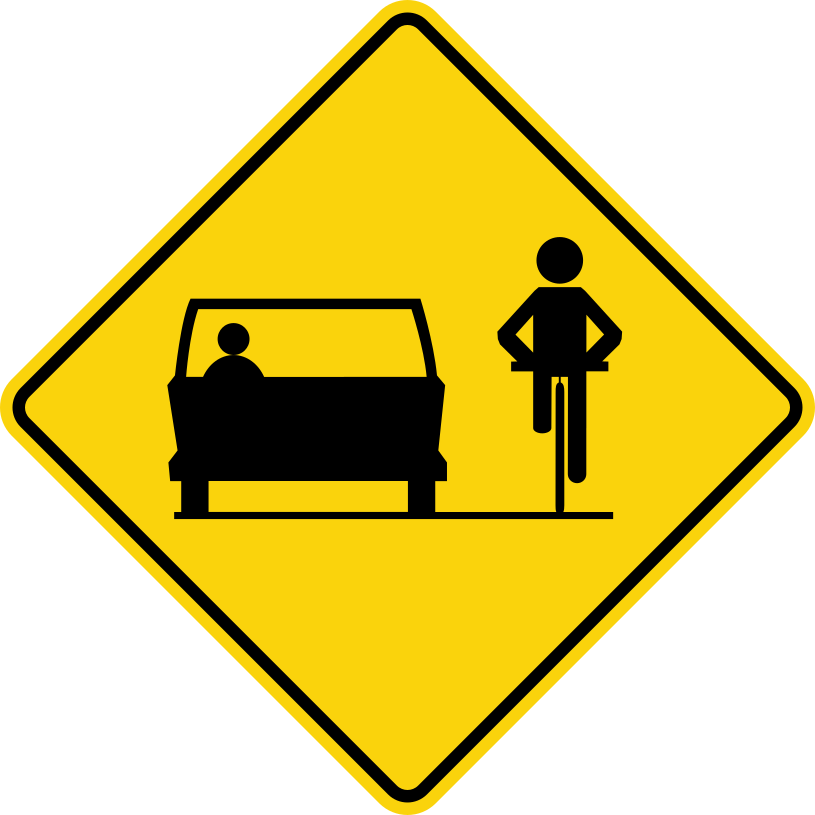 Share the road
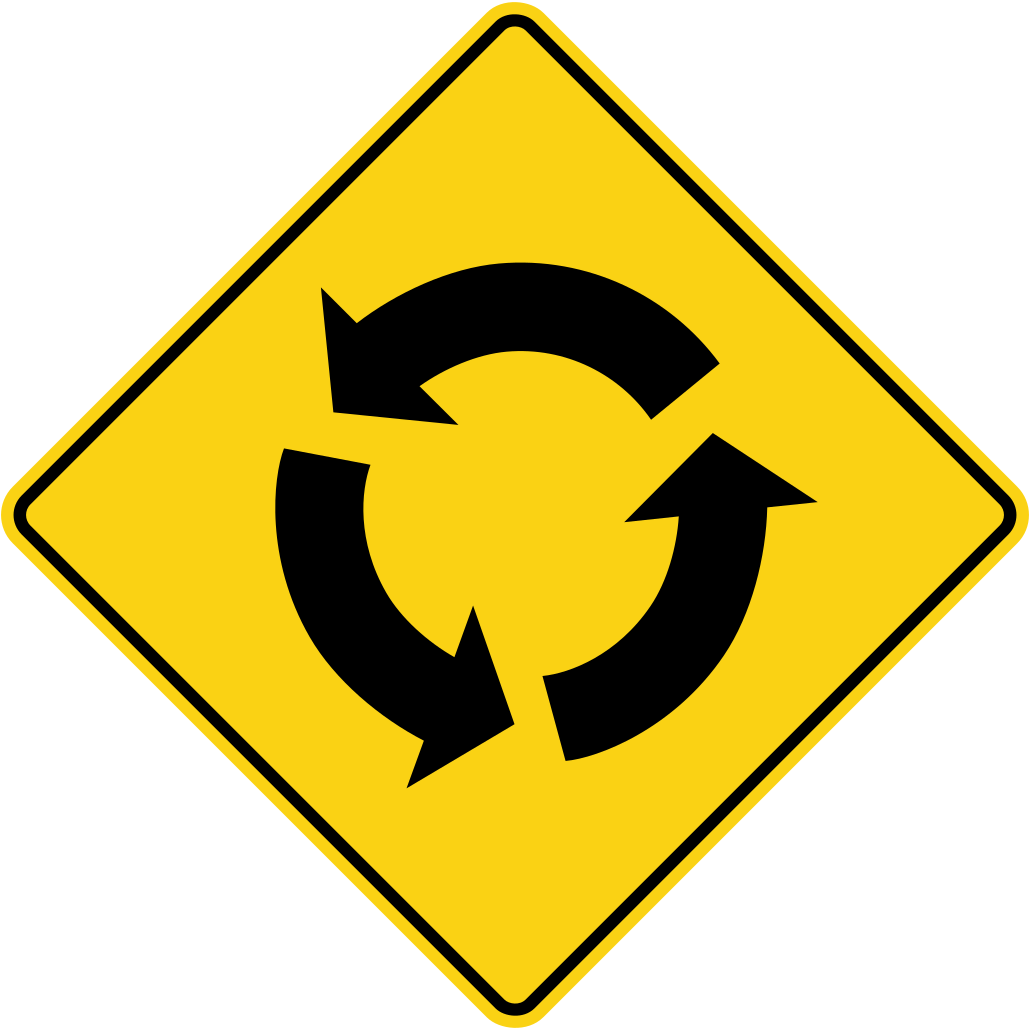 Roundabout ahead
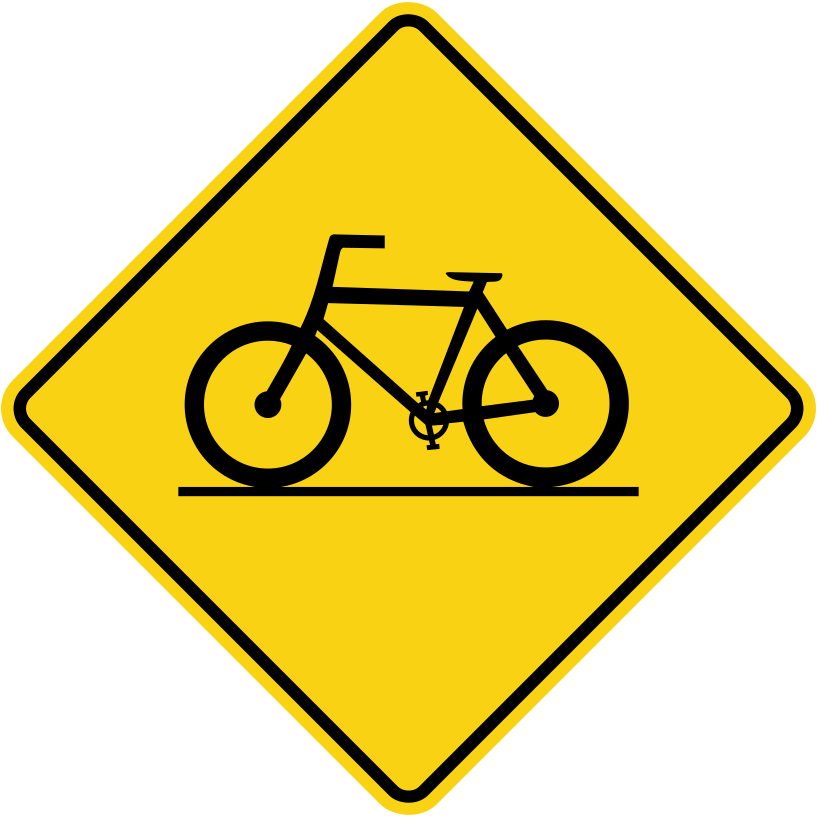 Bicycle crossing
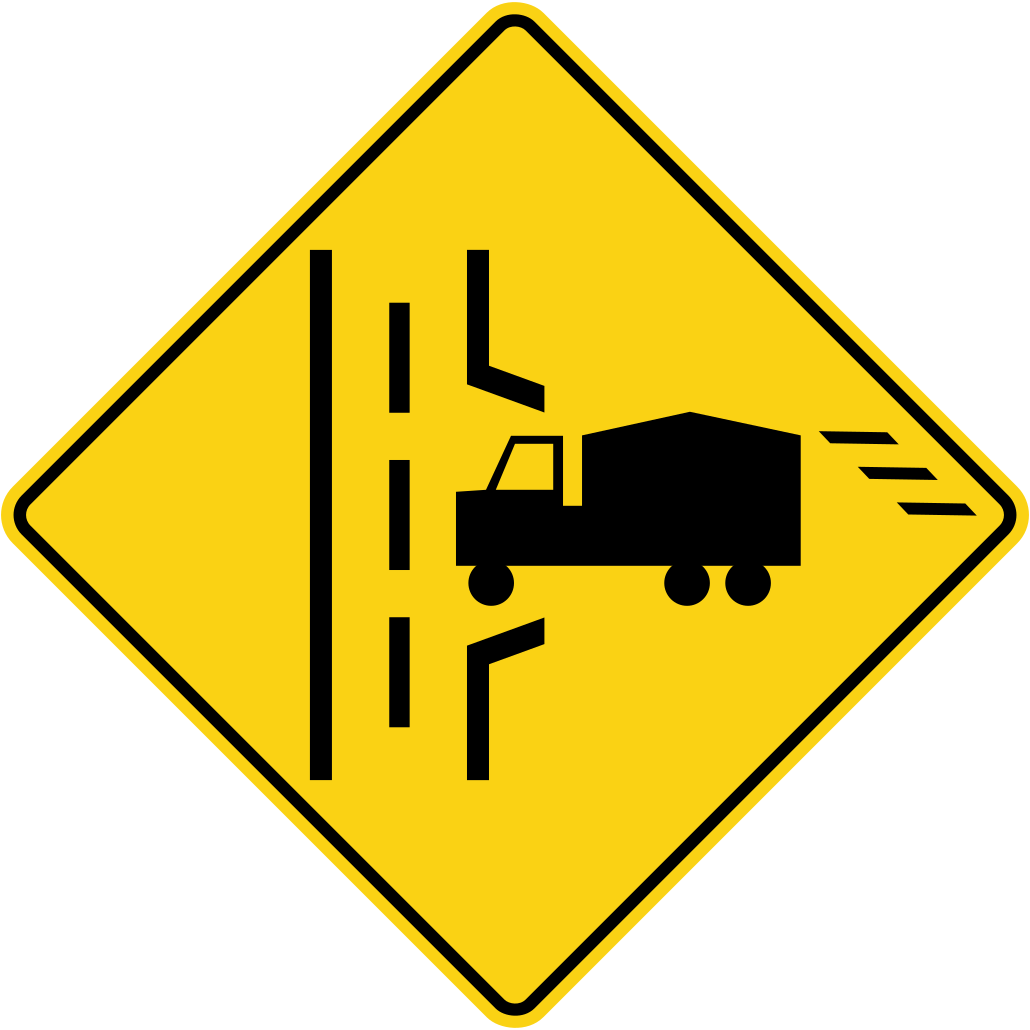 Truck entrance
Official source: MTO Driver’s Handbook – Signs ↗ · MTO Driver’s Handbook – Stopping ↗ · MTO Driver’s Handbook – Sharing road other road users ↗ · MTO Driver’s Handbook – Changing directions ↗
4.Temporary condition signs
- Orange signs mark temporary conditions: road work zones, diversions, detours, lane closures and traffic control people on the road. They are usually diamond-shaped, with black letters or symbols on the orange background.
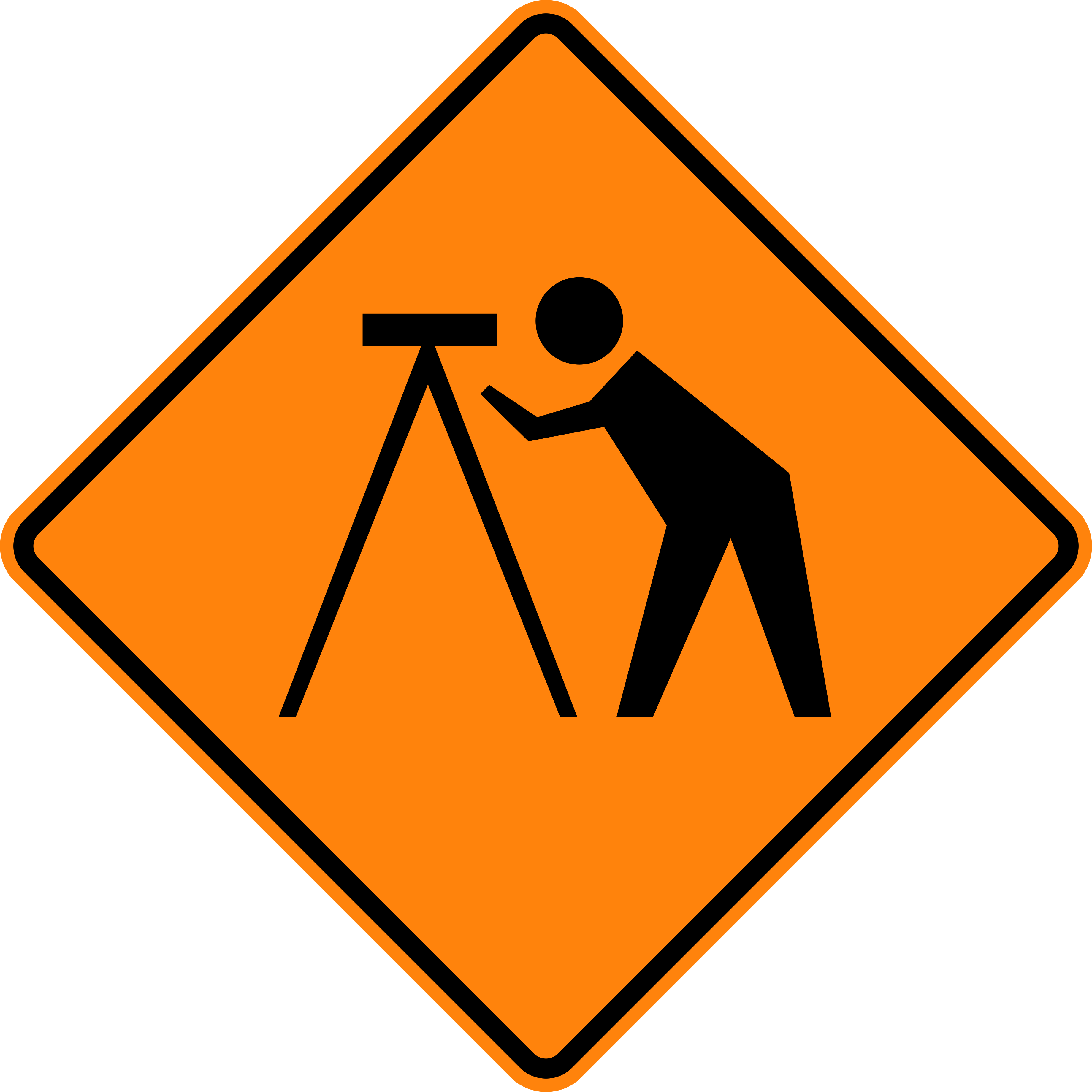
- Advance signs tell you that construction work is one kilometre ahead, that there is road work ahead, or that a survey crew is working on the road ahead.
- Entering a construction zone, take extra care and expect the speed limit to drop. Speed in a designated construction zone while workers are present and the fine is doubled.
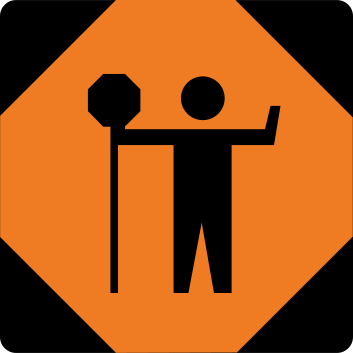
- A "traffic control person ahead" sign means you must drive slowly and watch for instructions. Ignoring a STOP or SLOW sign held up by a traffic-control person or a firefighter is an offence.
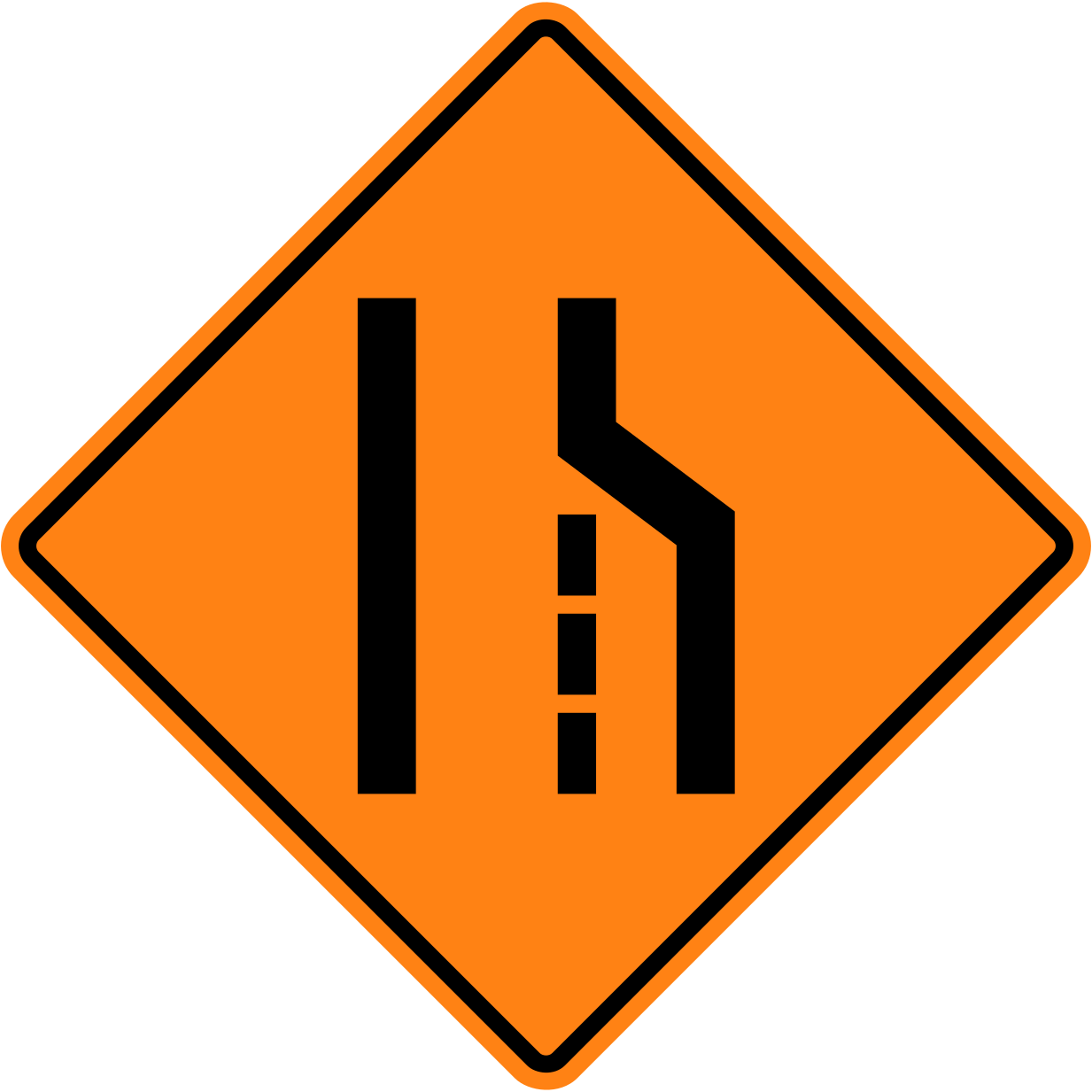
- If roadwork has closed the lane ahead, keep to the speed limit and blend into the lane that is still open. Where an arrow is shown, match your speed to the traffic in the lane it points to and merge there; flashing lights on the arrows show the direction to follow.
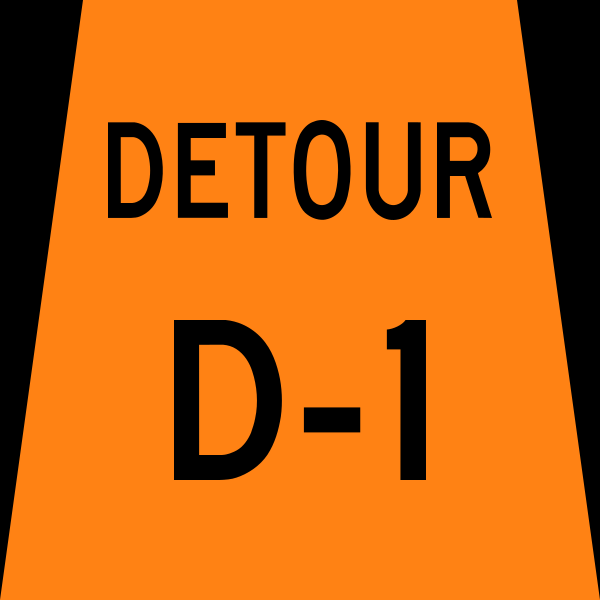
- A detour sign marks a temporary detour from the normal traffic route: follow the detour marker until you return to the regular route.
- Milled or grooved pavement can change how well your vehicle stops, so keep to the speed limit and drive with extra care; for motorcyclists the surface offers less grip than usual.
- Do not pass a pilot vehicle or pace vehicle bearing the sign that says so, and reduce speed and be prepared to stop where a temporary sign tells you to.
Signs in this section
Official source: MTO Driver’s Handbook – Signs ↗ · MTO Driver’s Handbook – Dealing particular situations ↗
5.Information and direction signs
- Information and direction signs tell you about distances and destinations. They are usually rectangular with a green background and white letters, showing directions to nearby towns and cities and the distances in kilometres to towns and cities on the road.
- Freeways use several kinds of exit sign. In urban areas many exit ramps have more than one lane, and signs overhead and at ground level guide you into the right lane whether you are leaving or staying on. Arrows on the advance signs point out which lanes lead off the freeway, and there is further signage at the exit itself.
- Interchange and exit numbers on a freeway match the distance from where the freeway begins, so subtracting one number from another gives you the distance between them. The word "VIA" on a sign names the roads you follow to get to the destination shown.
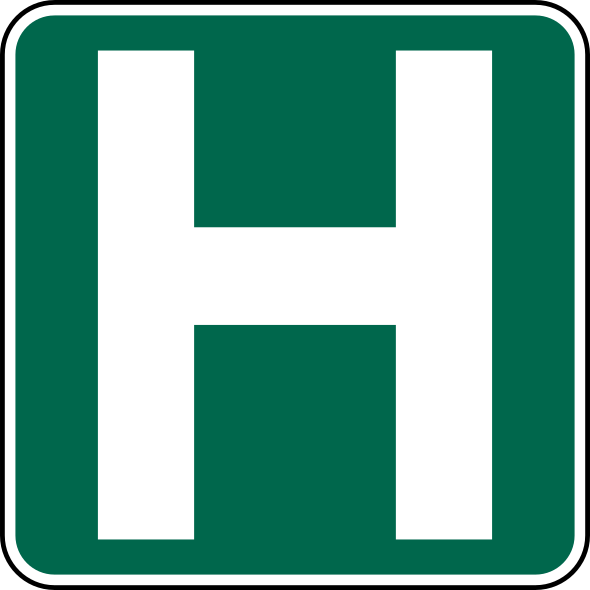
- Signs with colours other than green guide you to facilities, services and attractions: off-road facilities such as hospitals, airports, universities or carpool lots, the route to a passenger railway station or to an airport, and facilities that are accessible by wheelchair.
- Some signs update as conditions change, reporting delays and lane closures ahead as they happen.
- An orange triangle with a red border is the slow-moving vehicle sign. It means the vehicle ahead is doing 40 km/h at most; farm tractors, farm machinery and any other vehicle that cannot sustain more than 40 km/h must display it on a road. Watch for these vehicles and reduce your speed as necessary.
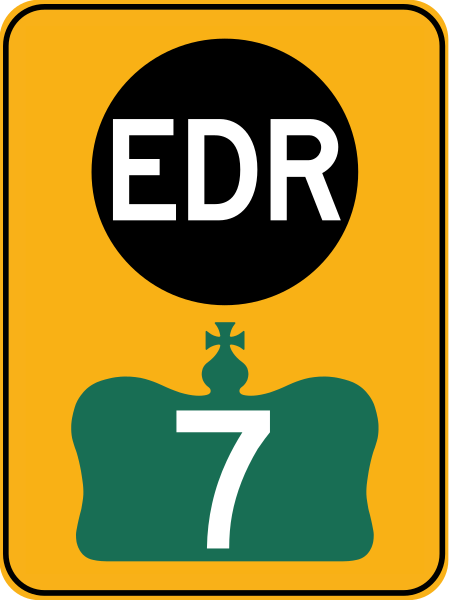
- Emergency detour route (EDR) signs come into use when the OPP close a provincial highway without notice and send all traffic off it. The markers are posted along the alternative route and lead drivers around the closure and back onto the highway.
- In designated bilingual areas, signs carry both languages; read whichever you understand best. The two messages may share one sign or be split across two, with the English sign followed immediately by the French one.
Signs in this section
Official source: MTO Driver’s Handbook – Signs ↗